Expoacre 2026 Organization Bids Fail; Acre Government to Award $22 Million in Direct Contracts
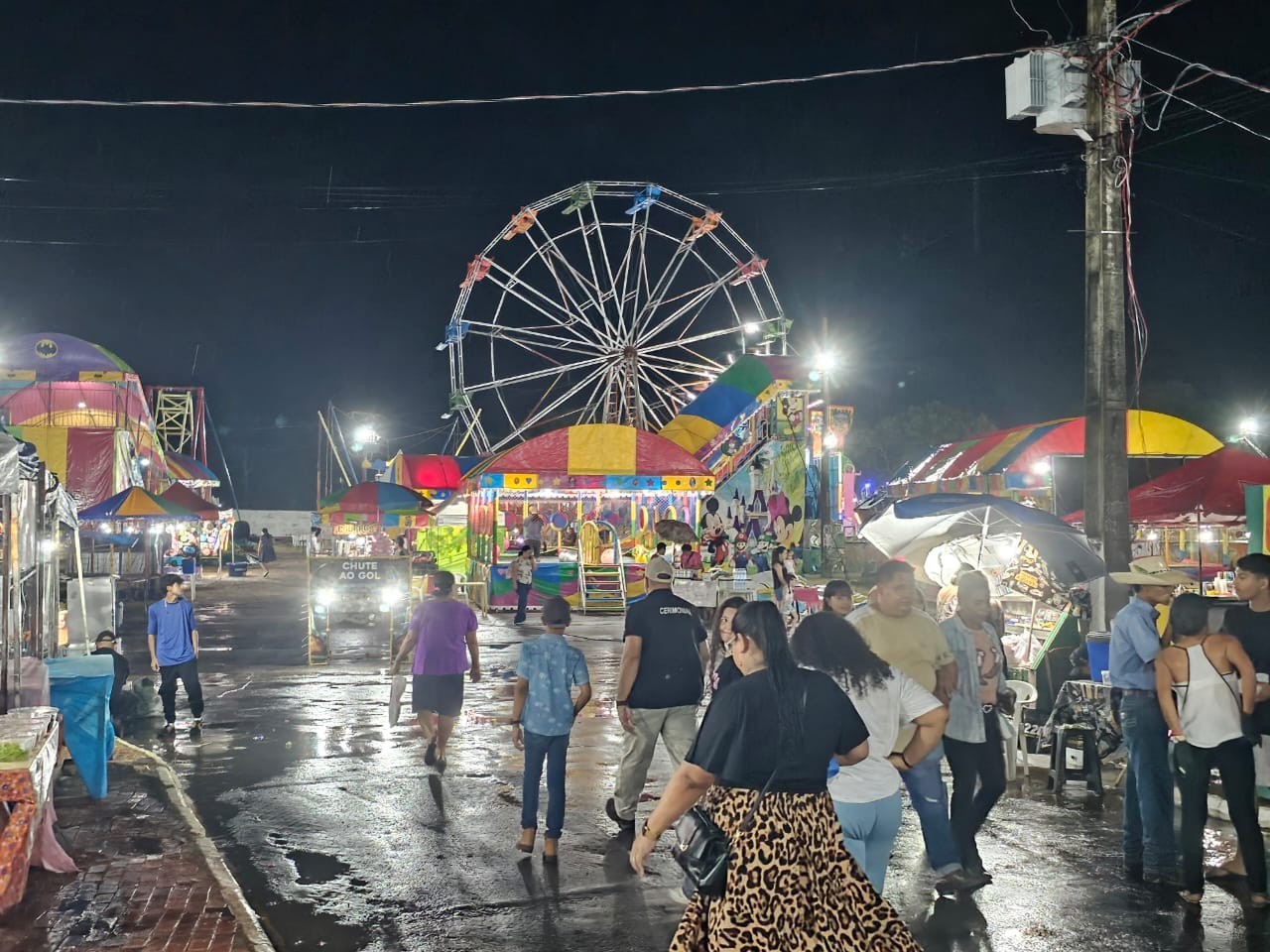
The public bidding process to select organizations responsible for organizing Expoacre 2026 in Rio Branco, Acre, concluded without any interested parties, leading to the process being declared void. Consequently, the Acre state government has opted to directly contract three civil society organizations to manage the event, with total contracts amounting to approximately R$ 22 million. The Expoacre, scheduled to take place from August 1st to 9th at the Wildy Viana Exhibition Park, will mark its 51st edition this year. In 2025, the fair hosted over 500 exhibitors and generated around R$ 500 million in business, according to state government figures. The decision, published in the Official State Gazette on Thursday, May 16th, divides the contracts into three key areas: R$ 9.987 million for artistic programming, entertainment, and traditional activities; R$ 8.106 million for infrastructure, logistics, and arena operations; and R$ 3.907 million for security, logistical support, and social communication. The justification for bypassing a new bidding process, given the approaching event date, is that a new call for proposals would jeopardize the preparation timeline. The direct contracts were awarded to the Instituto Vida Plena (R$ 9.987 million for artistic programming), the Instituto Novo Amanhã (R$ 8.106 million for infrastructure), and the Instituto Bem Estar (R$ 3.907 million for security and communication). These contracts are initially valid for up to 90 days, with the possibility of extension, and were made under Federal Law No. 13.019/2014, which permits waiving public bidding in urgent situations.
The failure of the public bidding process for Expoacre 2026 highlights potential challenges in attracting qualified organizations for large-scale public events, possibly due to market conditions, perceived profitability, or administrative burdens. The government's decision to proceed with direct contracts, justified by urgency, raises questions about transparency and the potential for competitive disadvantage for other entities. While this approach ensures the event's continuity, future planning cycles should aim to foster a more competitive bidding environment to ensure optimal resource allocation and public value. Examining the incentive structures for organizations participating in public bids versus direct contracts could inform strategies to enhance future procurement processes for state-sponsored events.
AI-generated to prompt reflection — not editorial opinion, not advice, not a statement of fact. How this works.