Expoacre 2026: Rules for Minors and Security Measures Announced
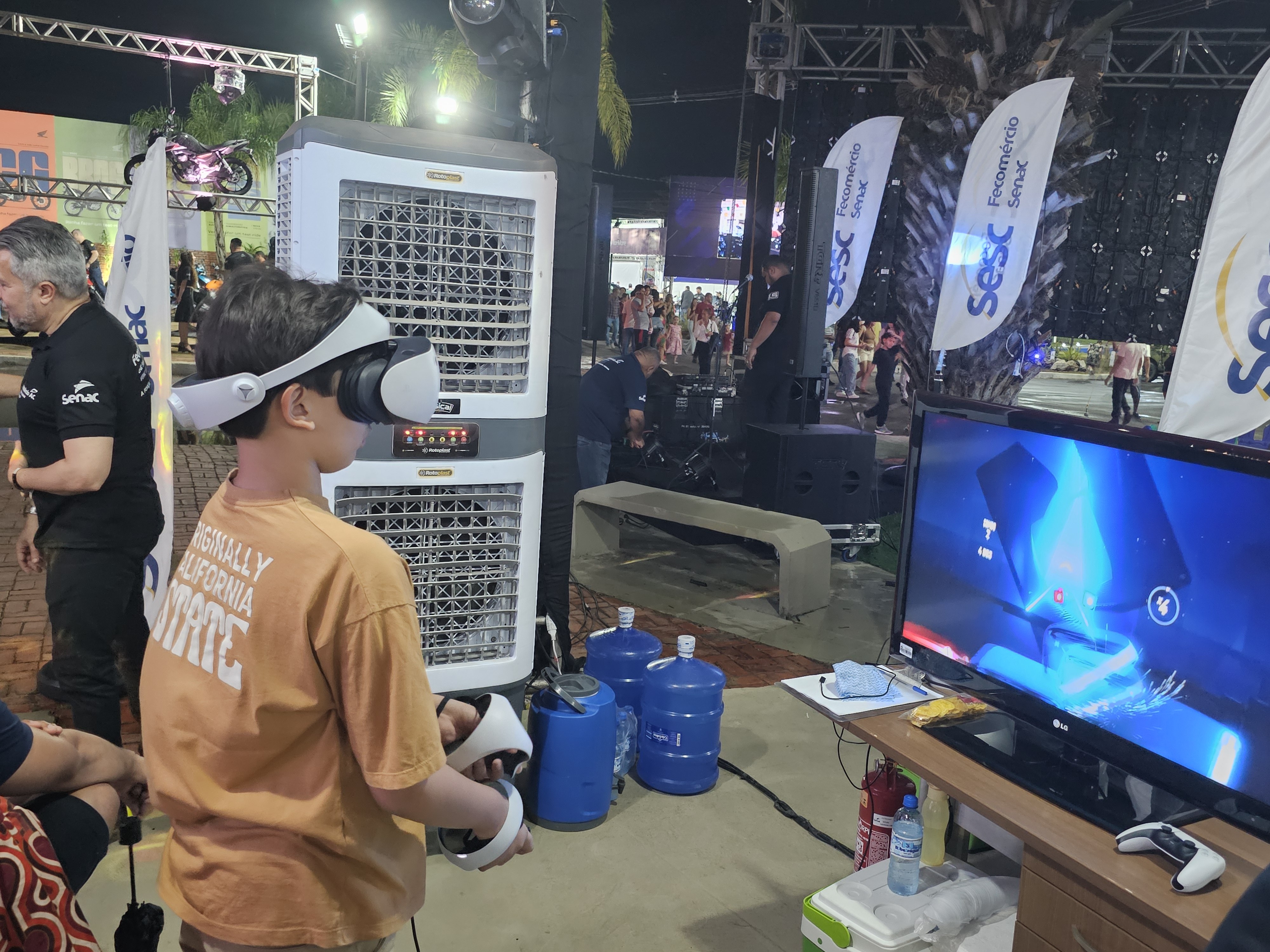
Expoacre 2026, scheduled to run from Saturday, June 1st, to June 9th in Rio Branco, Acre, has established specific regulations for the attendance of minors. Children and adolescents under 16 years old must be accompanied by a parent or legal guardian at all times during the event. Acceptable accompanying adults include parents, legal guardians, those with custody or guardianship, ascendant family members, collateral relatives up to the third degree, and individuals authorized by parents or guardians. All accompanying adults must be over 18 and possess official photo identification. Adolescents aged 16 and above are permitted to attend unaccompanied, but only until midnight and must carry photo identification. The event strictly prohibits the sale and consumption of alcohol, tobacco, and other addictive substances to individuals under 18. The organizing body is mandated to broadcast these access and attendance rules for minors via the public address system at the Parque de Exposições Wildy Viana. Security for the event will be robust, featuring approximately 200 agents per night, including police forces, specialized border units, air operations, and private security personnel. Additional support will be provided by firefighters, traffic authorities, and emergency medical services. Prohibited items include weapons, sharp objects, and glass containers, with alcohol consumption restricted to authorized vendors. Furthermore, individuals serving sentences under semi-open regimes or on provisional release are forbidden from attending or approaching the Expoacre grounds, with a minimum exclusion zone of 500 meters. Those with electronic monitoring devices (ankle monitors) who are employed at the event require prior authorization.
The regulations for Expoacre 2026 highlight a societal balancing act between public safety, the protection of minors, and the facilitation of large-scale public events. The stringent requirements for minor supervision and the comprehensive security deployment reflect a proactive approach to managing potential risks associated with crowded gatherings. From a systemic perspective, such measures are increasingly becoming standard operating procedure for major events globally, driven by evolving legal frameworks and public expectations concerning safety and liability. Looking ahead, the integration of advanced security technologies like facial recognition, alongside the management of individuals under judicial supervision, points towards a future where event security is a complex, data-driven operation. The challenge for organizers will be to maintain these high standards efficiently and ethically, ensuring that security measures enhance the event experience without becoming overly intrusive or creating undue barriers for legitimate attendees.
AI-generated to prompt reflection — not editorial opinion, not advice, not a statement of fact. How this works.