Extreme Climate Fuels Larger Wildfires in Spain and France, Study Finds
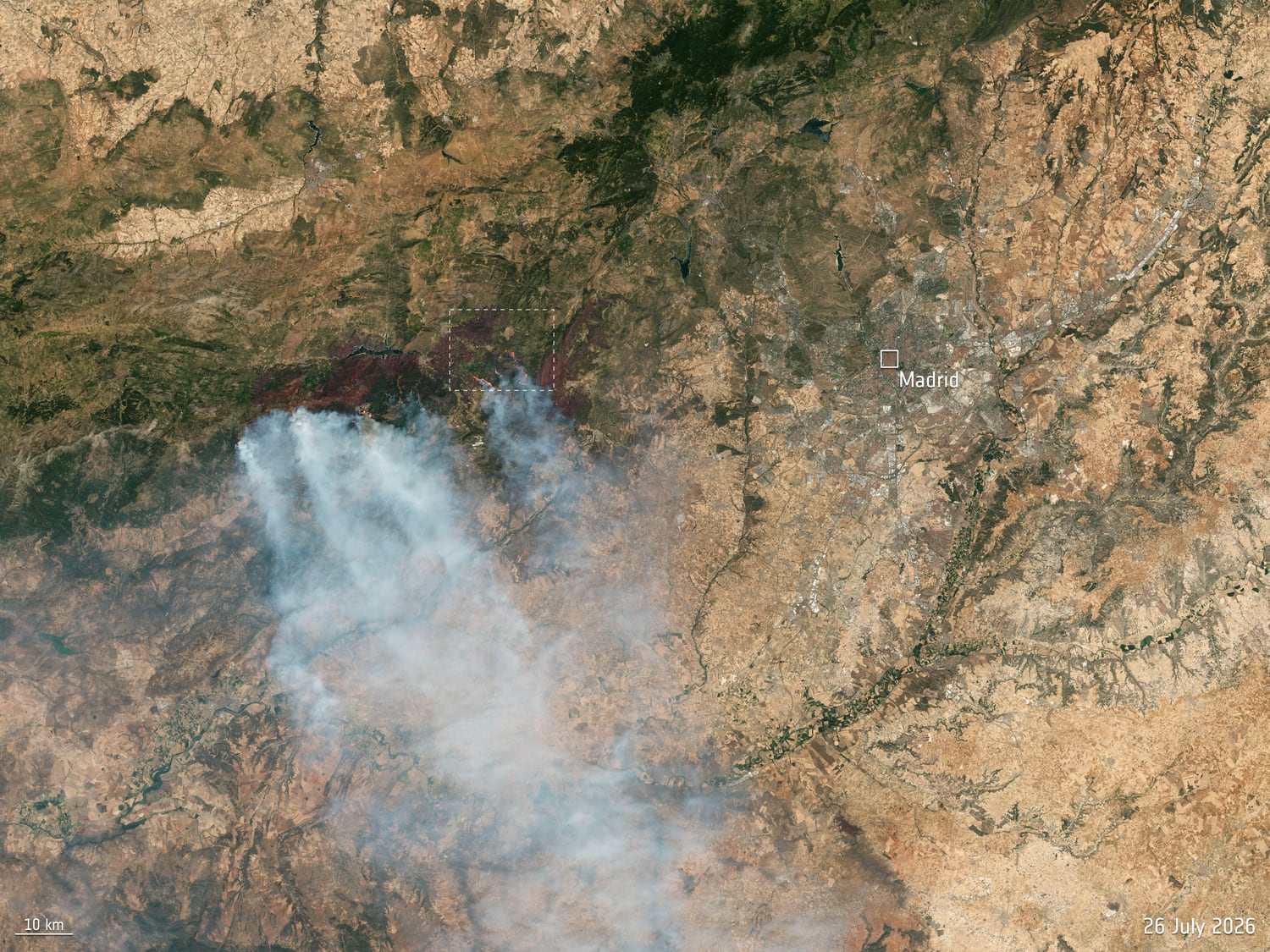
A recent study reveals a concerning trend in Southern Europe, where extreme weather conditions are overwhelming efforts to combat wildfires. While the total number of fires may have decreased, the frequency and intensity of 'megafires' have significantly increased since the 1980s. These catastrophic events are driven by a dangerous combination of high temperatures, prolonged drought, and strong winds, creating conditions that are increasingly difficult to manage. The research highlights how climate change is altering the landscape and the nature of wildfire threats in regions like Spain and France. This shift necessitates a re-evaluation of current firefighting strategies and resource allocation. The study's findings underscore the growing challenge posed by climate change to ecological management and public safety in affected areas. Adapting to these new realities is crucial for mitigating future risks and protecting vulnerable ecosystems and communities.
The study indicates a shift in wildfire dynamics, moving from more frequent, smaller fires to fewer, but significantly larger and more destructive events. This transformation is directly linked to escalating climate change impacts, specifically increased temperatures, prolonged droughts, and intensified wind patterns across Southern Europe. Such conditions create a challenging operational environment for firefighting agencies, potentially exceeding their current capacity and resource limitations. Future strategies will likely need to prioritize proactive measures, such as enhanced forest management and early detection systems, alongside adaptive response tactics. The long-term implications suggest a need for systemic changes in land use planning and climate resilience investments to address the escalating threat of megafires.
AI-generated to prompt reflection — not editorial opinion, not advice, not a statement of fact. How this works.