Extreme Drought Forces Danube and Morava River Commuters to Switch to Boats
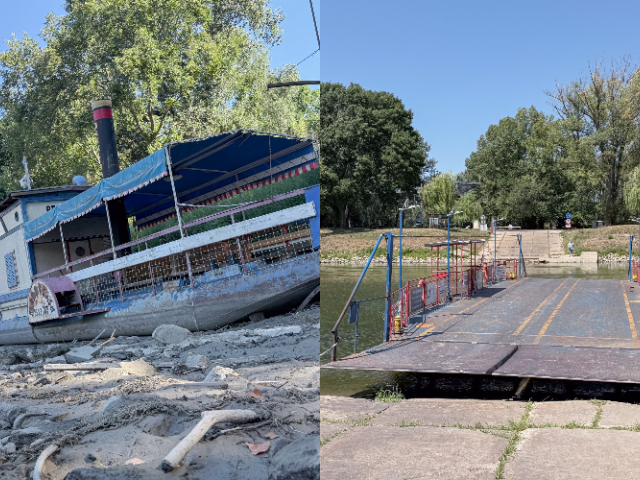
Extreme drought conditions are causing water levels to plummet in wells, water sources, and riverbeds across the region. The exceptionally low water level of the Danube River has resulted in stranded ships with deeper drafts, leading to restrictions on the Slovak-Hungarian section. Commuters traveling daily for work in Austria via the Záhorská Ves-Angern ferry are also facing significant challenges. For the past month, the ferry has been unable to move from the shore due to the low water. Consequently, inflatable boats have been deployed as a replacement for the ferry service. This situation highlights the severe impact of the drought on river navigation and daily transportation for those relying on these waterways.
The current drought affecting the Danube and Morava rivers illustrates the increasing vulnerability of critical European transportation and trade infrastructure to climate change. The reliance on river systems for both commercial shipping and daily commuting, as seen with the Záhorská Ves-Angern ferry, underscores the need for adaptive strategies. This event prompts a reevaluation of long-term water management policies and the development of more resilient transportation networks that can withstand extreme weather events. Over the next decade, such disruptions may become more frequent, necessitating investments in alternative infrastructure and potentially influencing regional economic planning and supply chain resilience.
AI-generated to prompt reflection — not editorial opinion, not advice, not a statement of fact. How this works.