Extreme Drought Threatens Nuclear Power Plants Relying on Danube River Cooling
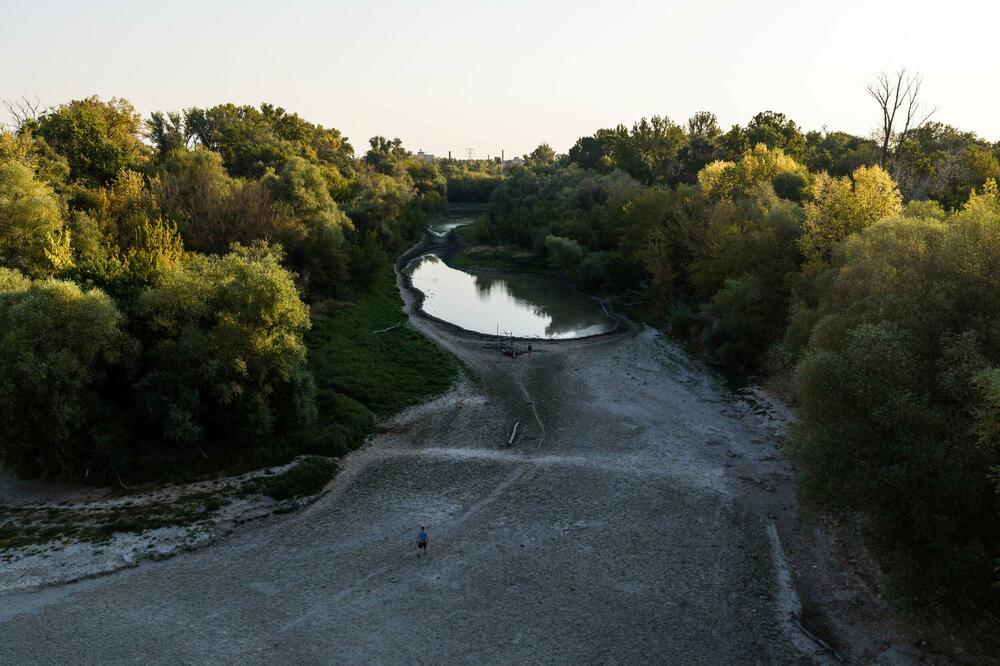
An extreme drought is posing a significant threat to the operation of nuclear power plants that depend on the Danube River for cooling. The critically low water levels in the river are jeopardizing the plants' ability to maintain operations. Both Romania and Hungary are taking measures to address the situation, with Romania constructing a dam and Hungary implementing protective strategies. The severe lack of water highlights the vulnerability of critical infrastructure to climate-induced environmental changes. The situation underscores the urgent need for adaptive strategies in energy production and water resource management. The ongoing drought conditions are expected to have far-reaching implications for regional energy security and environmental stability. Further monitoring and international cooperation will be crucial in navigating this escalating crisis.
The current drought conditions impacting the Danube River present a stark illustration of the systemic risks that climate change poses to critical energy infrastructure. Nuclear power plants, which require substantial water resources for safe operation, are particularly vulnerable to fluctuations in water availability. This event highlights a potential conflict between energy demands and environmental sustainability, forcing nations to balance immediate power generation needs against long-term ecological health and water security. Future planning must integrate climate resilience, potentially through diversification of cooling technologies or enhanced water management protocols, to mitigate such dependencies and ensure stable energy supply in an era of increasing environmental volatility.
AI-generated to prompt reflection — not editorial opinion, not advice, not a statement of fact. How this works.
