Extreme heat and humidity threaten World Cup matches in the US
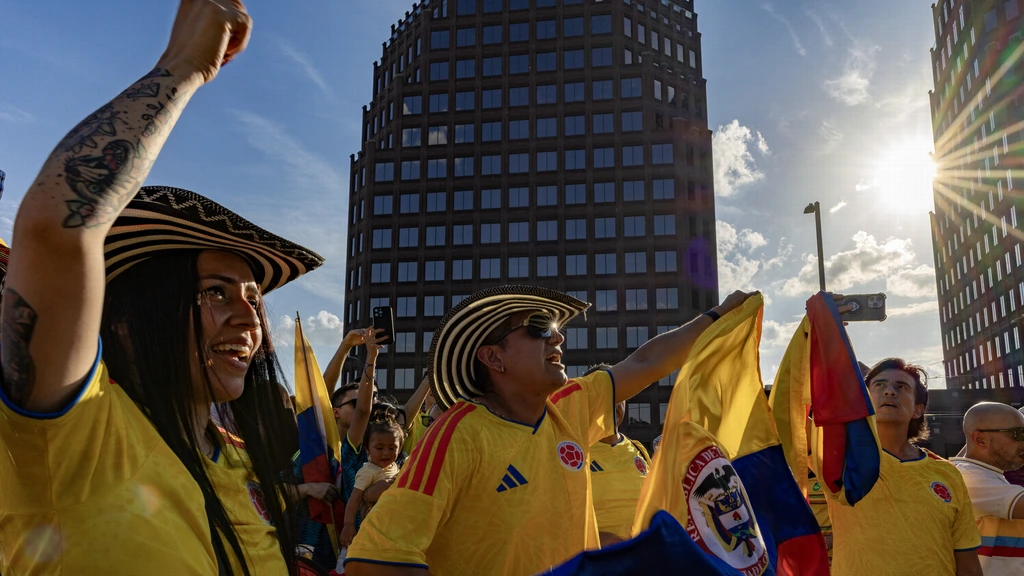
For the first time in this World Cup, extreme heat and humidity are significantly impacting matches in the United States. While previous games had relatively mild conditions, parts of the US are now experiencing a dangerous combination of high temperatures and humidity. In Kansas City, where Colombia is set to play Ghana, an extreme heat warning is in effect for kickoff, potentially degrading game quality and posing risks to players and spectators. Similarly, France's upcoming match against Paraguay in Philadelphia is expected to face intense heat, with the apparent temperature possibly exceeding safety thresholds set by FIFPro, the footballers' union. Neither stadium in Philadelphia nor Kansas City is equipped with air conditioning.
Former Feyenoord and Inter Miami goalkeeper Nick Marsman shared his experience of the shock of playing in the MLS during summer 2021, describing initial training sessions as exhausting. Research confirms heat's performance impact, with Thijs Eijsvogels, a researcher at Radboudumc, explaining that up to 80% of energy used during exercise converts to heat. The body's ability to dissipate this heat is compromised in hot and humid conditions, leading to elevated body temperatures and reduced performance. Studies have shown performance drops of up to 26% on average, with individual variations ranging from 10% to over 40%.
FIFA has implemented measures like drink breaks and considered weather forecasts for match scheduling, stating they monitor conditions closely. However, they have not specified temperature thresholds for postponement, a stance at odds with FIFPro and other organizations. Teams are preparing by acclimatizing players, a process that can take ten to fourteen days, and focusing on hydration and cooling strategies before, during, and after games. Despite these precautions, Marsman noted that heat sometimes affected game quality, making play appear slower. Climate change has also contributed to a 0.7-degree Celsius warming in the region since the 1994 World Cup, increasing the likelihood of severe heat during matches.
The increasing frequency and intensity of extreme weather events, exacerbated by climate change, present a significant challenge for global sporting events like the World Cup. This situation highlights a potential systemic risk for organizations like FIFA, where scheduling and player welfare must increasingly account for environmental factors beyond traditional logistical considerations. The tension between FIFA's monitoring approach and FIFPro's calls for specific temperature-based postponement criteria suggests a need for more robust, data-driven protocols that prioritize athlete health and safety over game continuity. As AI-driven climate modeling advances, future event planning will likely require proactive integration of these predictions to mitigate risks and ensure fair competition in a warming world.
AI-generated to prompt reflection — not editorial opinion, not advice, not a statement of fact. How this works.