Extreme Heat Devastates Wildlife and Flora Amid Drought and Fires
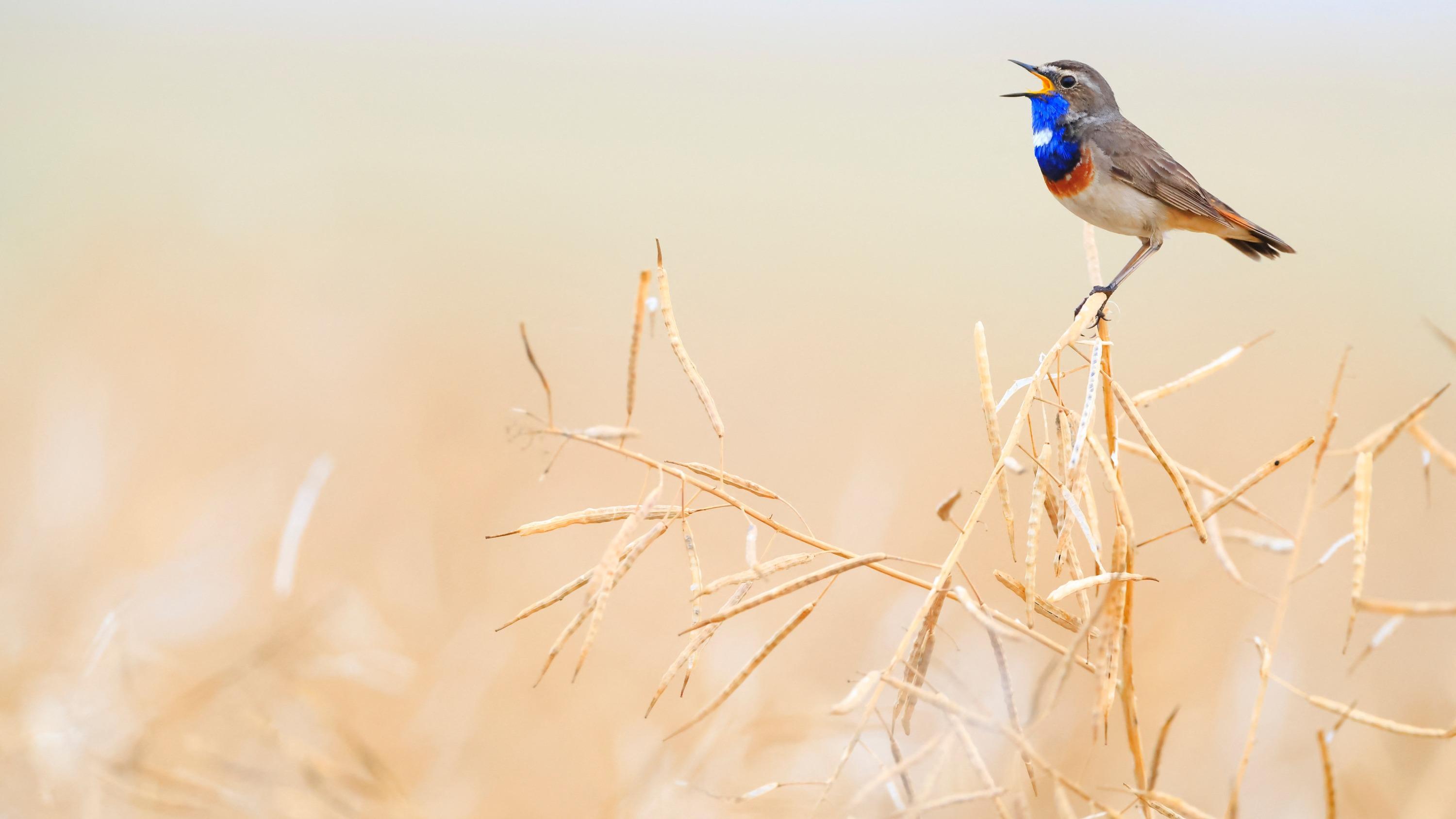
The prolonged heatwaves experienced since the beginning of summer are poised to inflict severe and lasting damage on France's wildlife and flora. Dry prairies, widespread fires, and critical water shortages are already stressing natural ecosystems. These extreme weather conditions, far beyond the norm, are creating an environment where many plant and animal species are struggling to survive. The long-term consequences for biodiversity are a significant concern, as the current conditions threaten the delicate balance of natural habitats. Conservationists are closely monitoring the situation, fearing irreversible impacts on the French landscape. The current heatwave is not an isolated incident but part of a broader pattern of climatic instability affecting the region. The resilience of natural systems is being tested, and the full extent of the damage may not be apparent for some time. This situation highlights the vulnerability of natural environments to climate change and the urgent need for adaptive strategies.
The severe impact of extreme heatwaves on French wildlife and flora underscores the escalating environmental pressures driven by climate change. The observed phenomena—dry prairies, increased fire risk, and water scarcity—are symptomatic of systemic shifts in weather patterns, challenging the resilience of natural ecosystems. These events highlight the potential for cascading ecological failures when environmental thresholds are breached. Future climate projections suggest such extreme weather will become more frequent, necessitating a re-evaluation of conservation strategies and land management practices to foster greater adaptive capacity within natural systems. The long-term viability of biodiversity in affected regions may depend on proactive interventions that address both immediate stressors and the underlying drivers of climate instability.
AI-generated to prompt reflection — not editorial opinion, not advice, not a statement of fact. How this works.