Extreme Heat Disrupts European Transportation with Deformed Rails and Dry Rivers
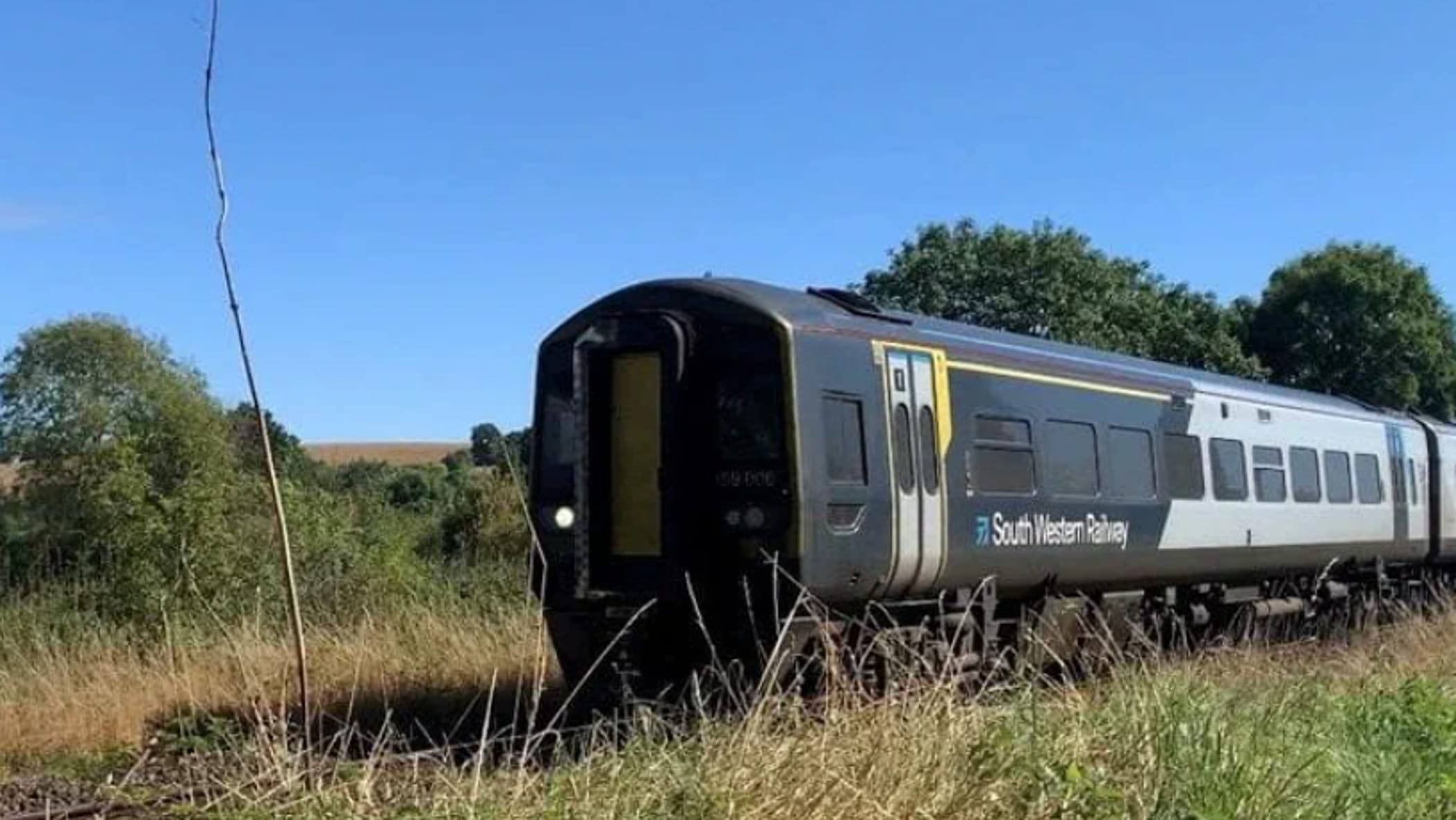
Record-breaking heatwaves are severely impacting European transportation networks, causing significant disruptions. In England, the clay soil beneath railway tracks is shrinking and shifting due to the dry conditions, leading to deformed rails that force trains to slow down. This issue has also affected services in London, specifically along the Elizabeth line. Meanwhile, in Germany, the Rhine River has become so shallow that barges can only carry approximately one-tenth of their usual cargo. This drastic reduction in capacity has caused shipping prices per ton to skyrocket, further straining supply chains. The combined effects of warped infrastructure and critically low water levels highlight the vulnerability of Europe's transportation systems to extreme weather events.
The current heatwave's impact on European transportation infrastructure, particularly railways and waterways, underscores the systemic risks associated with climate change. The physical deformation of rail lines and the reduced navigability of rivers like the Rhine demonstrate a critical mismatch between aging infrastructure and escalating environmental stressors. This situation necessitates a strategic re-evaluation of infrastructure resilience, potentially requiring significant investment in materials science for track construction and adaptive management strategies for vital waterways. Future planning must anticipate more frequent and intense extreme weather events, integrating climate projections into long-term transportation and logistics strategies to mitigate economic shocks and ensure supply chain continuity.
AI-generated to prompt reflection — not editorial opinion, not advice, not a statement of fact. How this works.