Extreme Heat Leads to Fewer Fouls in Amateur Soccer, Study Finds
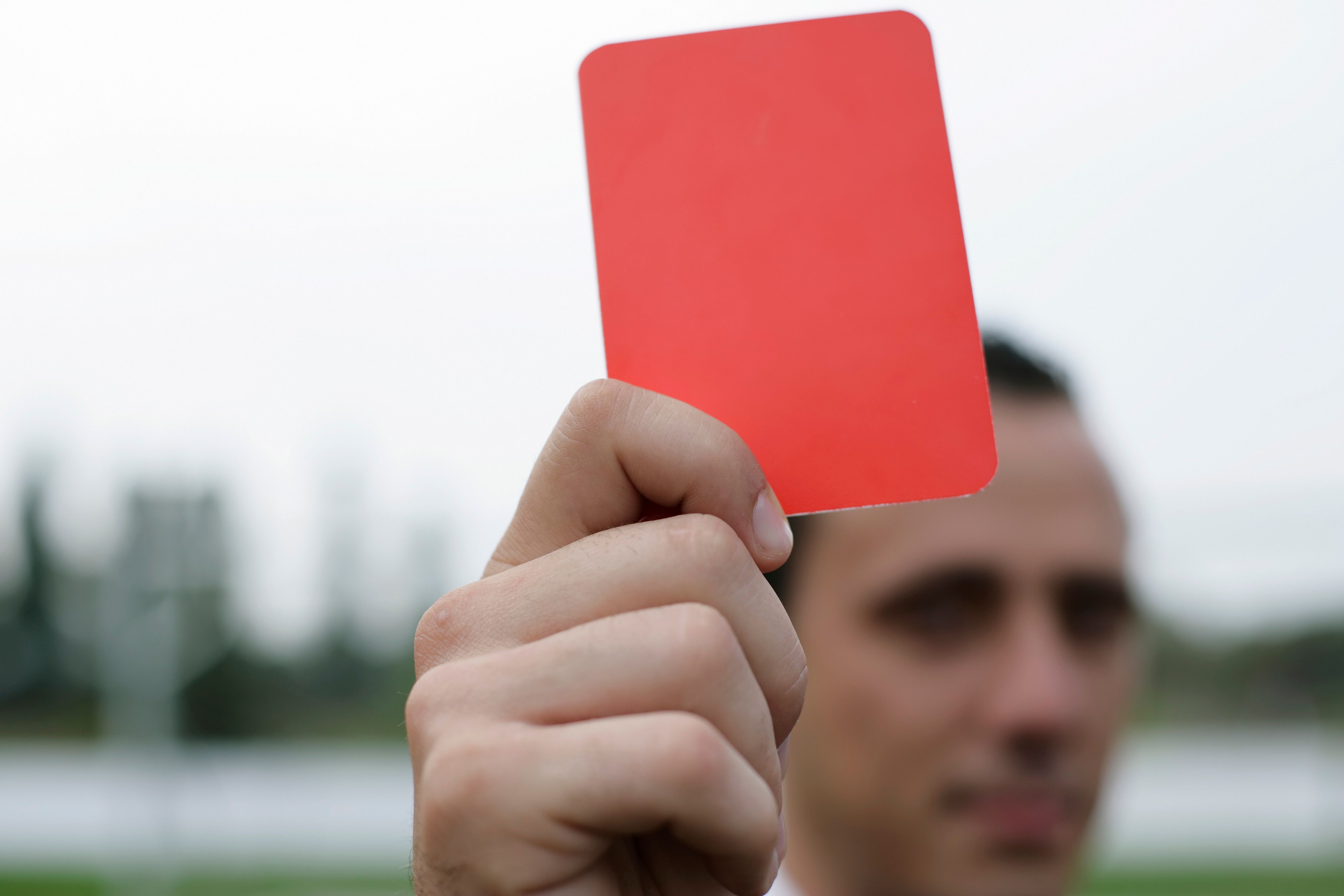
A study analyzing nearly one million amateur soccer matches in Germany has revealed a counterintuitive finding: extreme heat leads to fewer violent fouls, not more. Published in 'PNAS Nexus', the research indicates that while yellow and red cards increase with temperature up to a certain point, they then decrease significantly in very hot conditions. Specifically, matches played on extremely hot days recorded an average of 15% fewer cards than normal. This contrasts with decades of research in various fields that associate heat with increased aggression, such as street fights and domestic violence, and projections that global warming will escalate conflict. However, previous studies often relied on laboratory experiments or criminal records, which have inherent limitations in isolating the pure effect of temperature. By examining amateur soccer, researchers created a more controlled environment where rules are consistent and matches are scheduled in advance, removing weather prediction as a factor. The study analyzed matches played between July 2022 and September 2025, involving over one million players. Using referee-issued cards as a proxy for on-field aggression, scientists observed an inverted U-shaped curve: card incidents rose with temperature until around 13°C (55.4°F) and then began to fall. Above 32°C (89.6°F), the effect was pronounced, with players seemingly managing their physical exertion more carefully, akin to a marathon runner pacing themselves. This reduction in high-intensity plays results in fewer opportunities for fouls. The findings suggest that players conserve energy in extreme heat, leading to less physical contact and fewer cards, particularly yellow cards associated with physical duels. The study also ruled out changes in referee judgment due to heat, as prior research shows referees' decision-making capabilities remain unaffected.
This study challenges the conventional view linking higher temperatures to increased aggression by presenting data from a controlled sporting environment. The findings suggest that extreme heat may paradoxically lead to reduced physical exertion and, consequently, fewer fouls in amateur soccer. This phenomenon could be attributed to players' physiological responses to heat stress, prompting them to conserve energy rather than engage in high-intensity plays. While this might imply a 'cooling' effect on on-field aggression, it's crucial to recognize that reduced intensity is a symptom of thermal stress, not an indicator of safety. The study highlights a critical distinction: fewer fouls do not equate to a harmless environment. The underlying physical strain on athletes in extreme heat remains a significant health concern, even if it manifests as a more subdued game. Future research should explore whether these findings extend to professional athletes, who may have different acclimatization and support mechanisms, and investigate the broader societal implications of heat-induced behavioral moderation across various activities.
AI-generated to prompt reflection — not editorial opinion, not advice, not a statement of fact. How this works.