Extreme Heat Poses Growing Workplace Health Risks in Germany
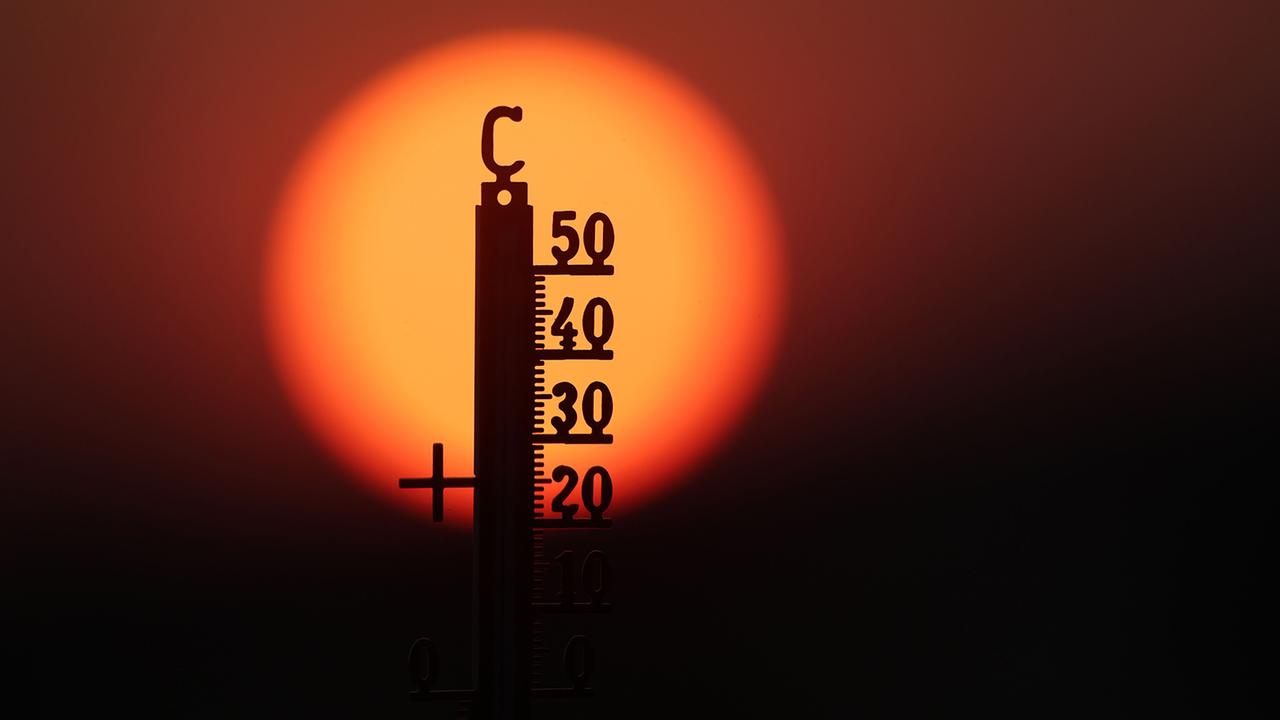
Extreme heat is increasingly becoming a significant burden and even a danger to physical health in many workplaces across Germany. While regulations exist for indoor temperatures, the reality on the ground often falls short of these standards. Employees are facing challenging conditions that can negatively impact their well-being and productivity. The issue highlights a gap between legal requirements and practical implementation in ensuring safe working environments during periods of high temperatures. This situation raises concerns about the adequacy of current measures to protect workers from heat-related illnesses and stress. Further attention is needed to address the discrepancies between policy and practice.
The increasing frequency and intensity of heat waves, exacerbated by climate change, present a growing challenge to occupational health and safety regulations in Germany and globally. Existing legal frameworks may not adequately account for the escalating thermal stress on workers, particularly in sectors with limited climate control. This situation underscores the need for adaptive workplace policies that consider both immediate health risks and long-term productivity impacts. Future considerations should include more dynamic temperature thresholds, improved ventilation and cooling infrastructure, and enhanced worker education on heat-related risks, all within the context of evolving climate realities and the imperative to maintain economic activity.
AI-generated to prompt reflection — not editorial opinion, not advice, not a statement of fact. How this works.