Extreme heat threatens Parmigiano Reggiano production, impacting 'king of cheeses'
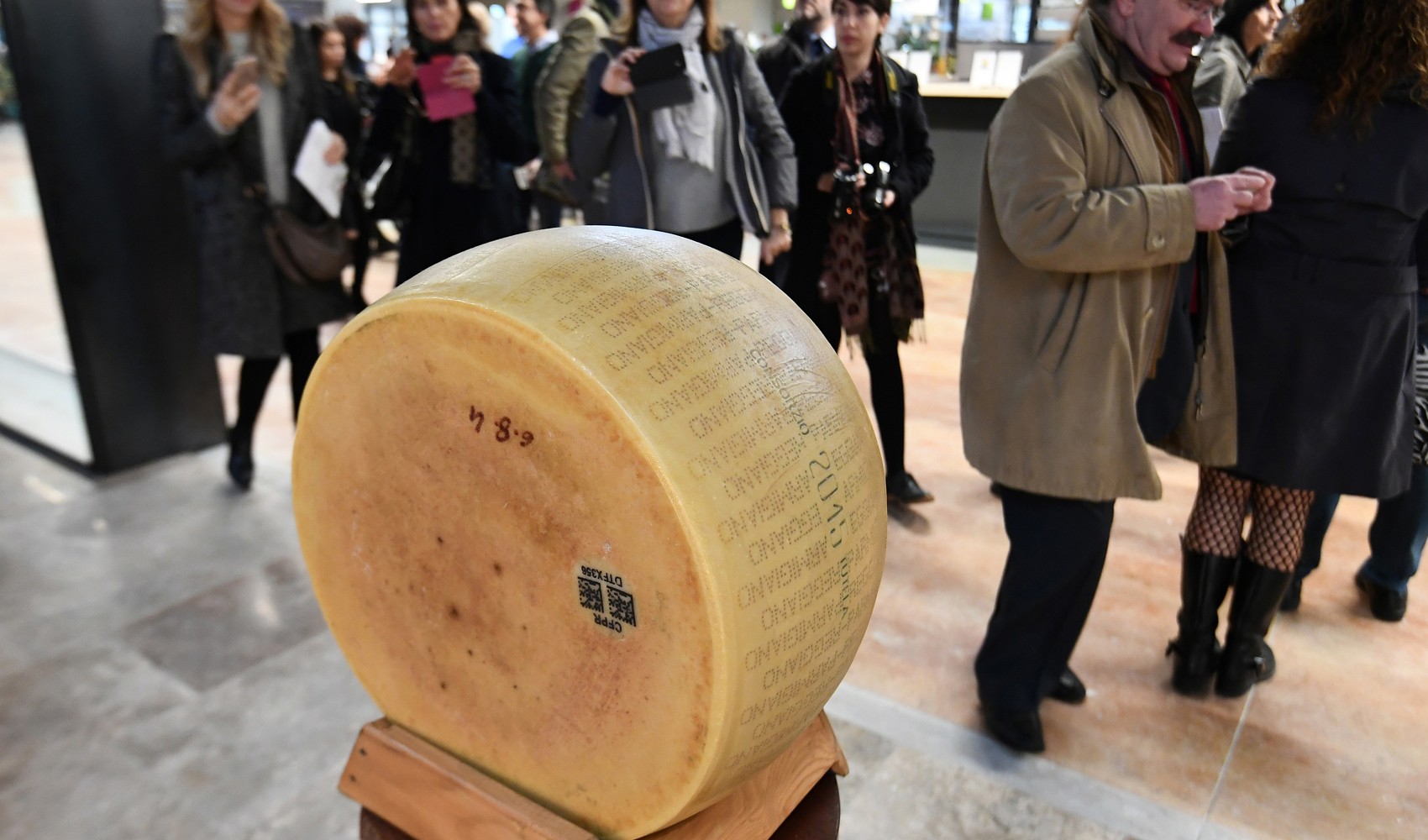
Extreme heat is posing a significant threat to the production of authentic Parmigiano Reggiano, a cheese with over 800 years of history. The production of this renowned cheese is restricted to specific regions in Italy, where cows must be fed exclusively with locally grown grass and hay. However, drought conditions caused by extreme heat prevent grass from growing, directly impacting hay production. This scarcity of suitable feed jeopardizes the core identity of Parmigiano Reggiano, as Nicola Bertinelli, president of the Parmigiano Reggiano Consortium, explains that the cheese's unique characteristics are derived from beneficial bacteria present in the local hay, which transfer to the milk and subsequently to the cheese. Furthermore, high temperatures cause cows to eat less and produce up to 10% less milk. The quality of the milk is also affected, not just chemically in terms of protein and fat content, but crucially, in its microbial composition. These beneficial bacteria are essential for fermenting milk components and developing the distinctive aromas and flavors of Parmigiano Reggiano. Producers are implementing cooling systems and fans to mitigate the heat, leading to increased production costs. Rising energy expenses also affect the aging warehouses, where cheese wheels mature for at least 12 months and undergo rigorous weekly quality inspections. The Parmigiano Reggiano industry is a major economic driver, generating an estimated 4.5 billion euros annually, supporting thousands of jobs, and boosting local economies.
The escalating impact of climate change on traditional agricultural products like Parmigiano Reggiano highlights systemic vulnerabilities in food production. The reliance on specific regional microclimates and feed sources creates an inherent fragility when faced with environmental shifts. While technological interventions like cooling systems offer immediate relief, they increase operational costs, potentially altering the economic viability and accessibility of the product. This situation underscores a broader challenge for the food industry: balancing heritage production methods with the imperative of climate resilience. Future strategies may need to explore diversified feed sourcing, genetic adaptations in livestock, or even regional diversification of production to safeguard such culturally significant food items against long-term environmental uncertainty.
AI-generated to prompt reflection — not editorial opinion, not advice, not a statement of fact. How this works.