Extreme Heatwave Threatens Parmigiano Reggiano Production in Emilia-Romagna
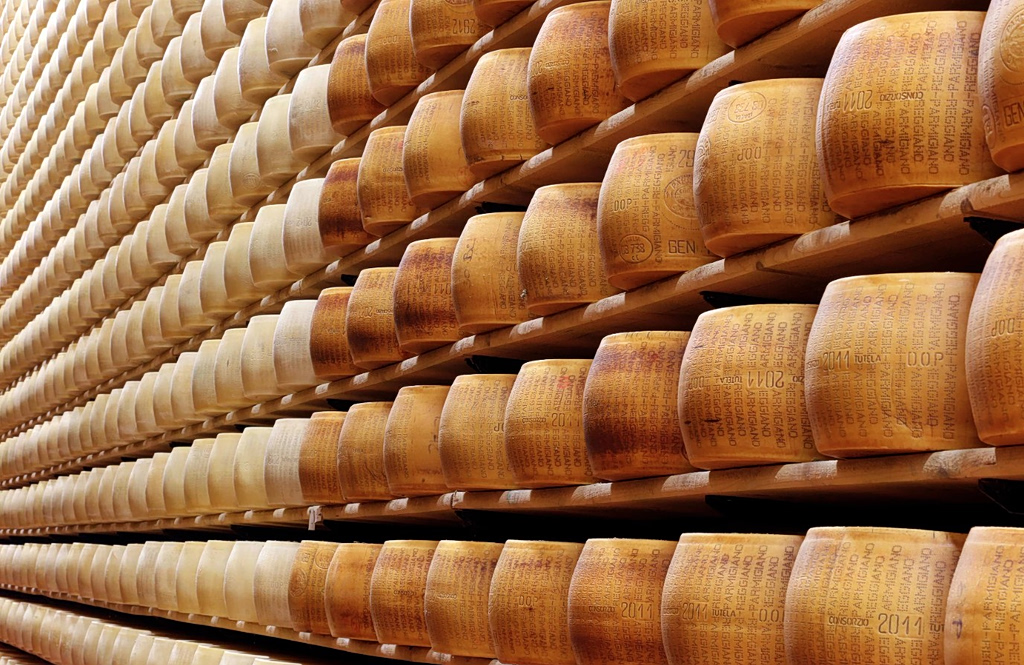
Intense heatwaves are severely impacting dairy farmers in the Emilia-Romagna region of Italy, posing unprecedented challenges to the production of authentic Parmigiano Reggiano cheese. The extreme weather conditions are testing the resilience of producers in this historically significant industry, which generates billions of euros annually. The prolonged periods of high temperatures are creating a difficult environment for the cows, affecting milk quality and quantity. This situation directly threatens the supply chain and the reputation of one of Italy's most iconic food products. Farmers are facing significant economic pressure as they try to mitigate the effects of the heat on their herds and their operations. The long-term viability of traditional cheese-making methods in the face of escalating climate change is now a major concern. The industry is exploring adaptive strategies to safeguard production against future climate-related disruptions. The potential impact extends beyond local economies, affecting global markets that rely on this premium Italian cheese.
The extreme heatwaves in Emilia-Romagna highlight the vulnerability of established agricultural supply chains to climate change. The economic repercussions for the multi-billion euro Parmigiano Reggiano industry underscore the need for adaptive strategies that integrate climate resilience into traditional production methods. Future agricultural models may require innovative solutions, such as advanced cooling technologies for livestock or shifts in grazing patterns, to mitigate the impact of rising global temperatures. This situation prompts consideration of how long-term environmental shifts necessitate systemic adjustments in food production to ensure both economic stability and the preservation of cultural heritage products.
AI-generated to prompt reflection — not editorial opinion, not advice, not a statement of fact. How this works.