Extreme Space Weather Event in 1972 Caused Mine Detonations
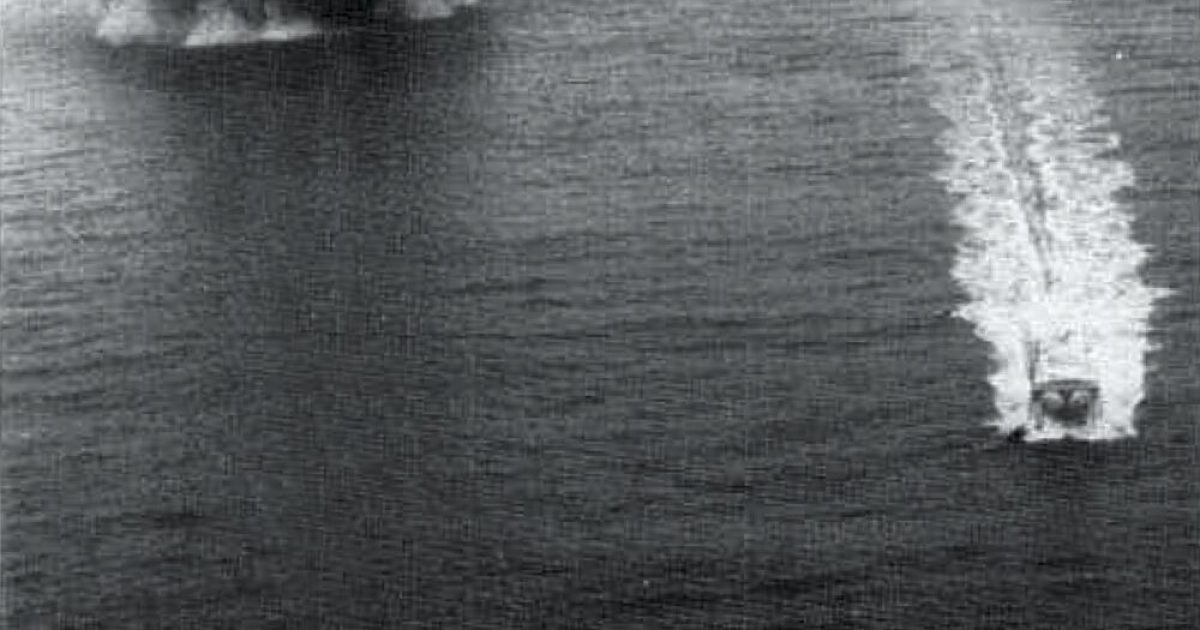
In early August 1972, Earth experienced extreme space weather, classified as a Carrington-class event. This phenomenon was characterized by a series of solar flares and other solar storm activities. By August 4th, a coronal mass ejection arrived at Earth in a record-breaking 14.6 hours. The event caused significant disruptions to electrical and telephone communication grids across North America. Simultaneously, brilliant aurorae were visible, extending to unusually low latitudes. The extreme space weather also led to the detonation of mines, though the specific mechanism and context of these detonations are not detailed in the provided text. This incident highlights the potential impact of solar activity on terrestrial systems and infrastructure.
The 1972 Carrington-class event serves as a stark reminder of the vulnerability of modern technological infrastructure to natural space weather phenomena. The rapid arrival of the coronal mass ejection and its widespread impact on communication grids underscore the need for robust space weather forecasting and mitigation strategies. As our reliance on interconnected systems grows, understanding and preparing for such extreme events becomes increasingly critical. Future advancements in space weather prediction and hardening of critical infrastructure will be essential to ensure resilience against these powerful solar events.
AI-generated to prompt reflection — not editorial opinion, not advice, not a statement of fact. How this works.
