Extreme Weather Costs UK Economy $1.5 Billion
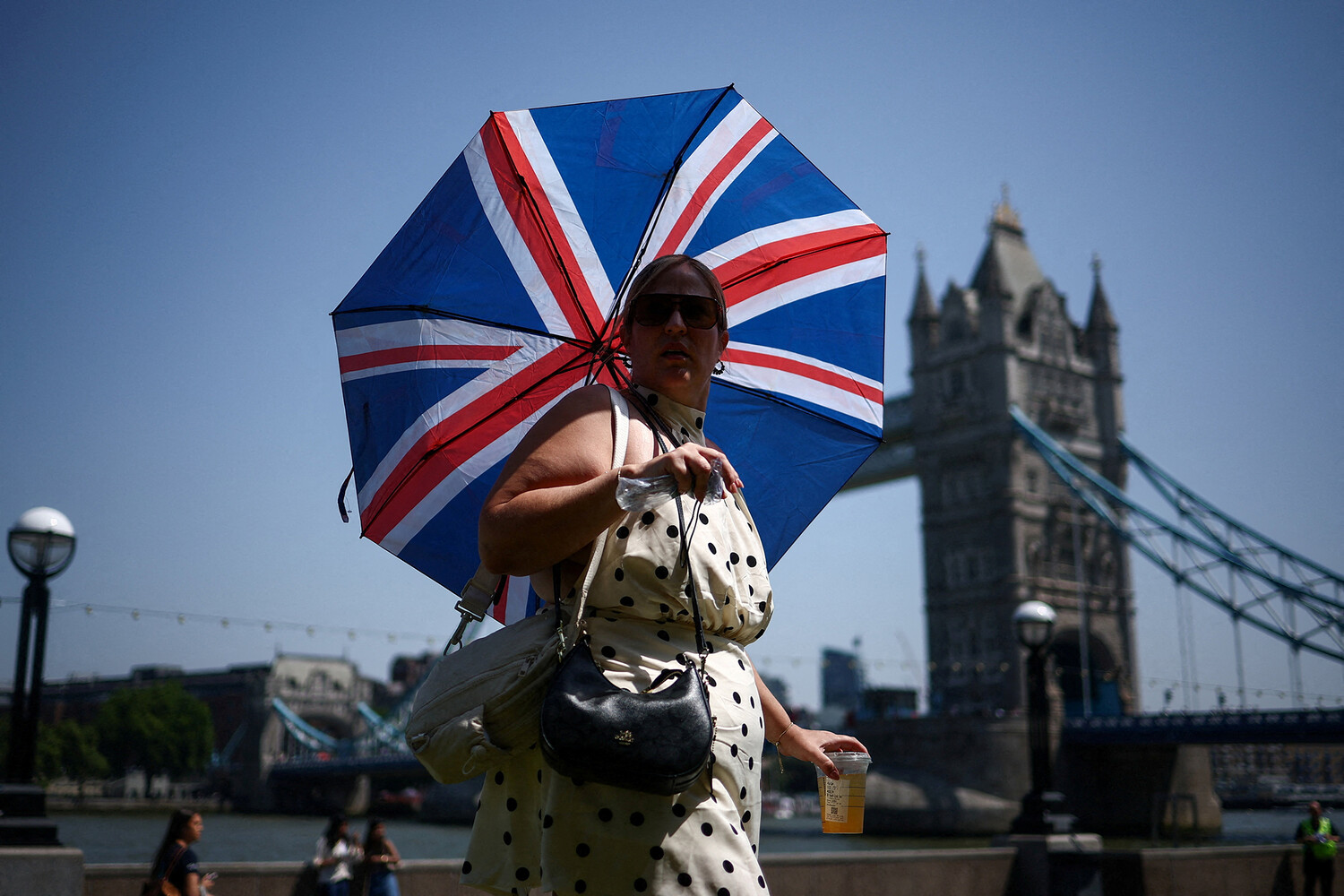
Extreme weather events have inflicted an estimated $1.5 billion in damages on the British economy. The specific details regarding the types of anomalous weather and the timeframe over which these damages occurred are not provided in the source material. However, the significant financial impact highlights the vulnerability of the UK's economic infrastructure to climate-related disruptions. This figure underscores the growing economic consequences of increasingly frequent and severe weather phenomena. Further analysis would be required to determine the breakdown of these costs across different sectors and regions within the UK. The source does not specify which particular weather events contributed most to this total. The long-term implications for economic planning and infrastructure resilience in the face of such events are substantial. This economic toll serves as a stark reminder of the need for robust climate adaptation strategies. The $1.5 billion figure represents a considerable loss that could potentially be reinvested in mitigation and adaptation efforts.
The substantial economic cost of $1.5 billion attributed to anomalous weather events in the UK underscores the increasing financial exposure of developed economies to climate volatility. This figure highlights a critical systemic risk, suggesting that current infrastructure and economic models may not be adequately resilient to future climate impacts. The occurrence of such significant damages points to potential underinvestment in climate adaptation and mitigation measures. As climate change intensifies, the frequency and severity of extreme weather are projected to rise, posing a growing threat to economic stability. Future economic planning will need to integrate more robust risk assessments and capital allocation towards climate resilience to safeguard against escalating losses and ensure long-term prosperity in the face of environmental shifts.
AI-generated to prompt reflection — not editorial opinion, not advice, not a statement of fact. How this works.