Extreme Weather Events Now a Major Concern for Economists and Policymakers
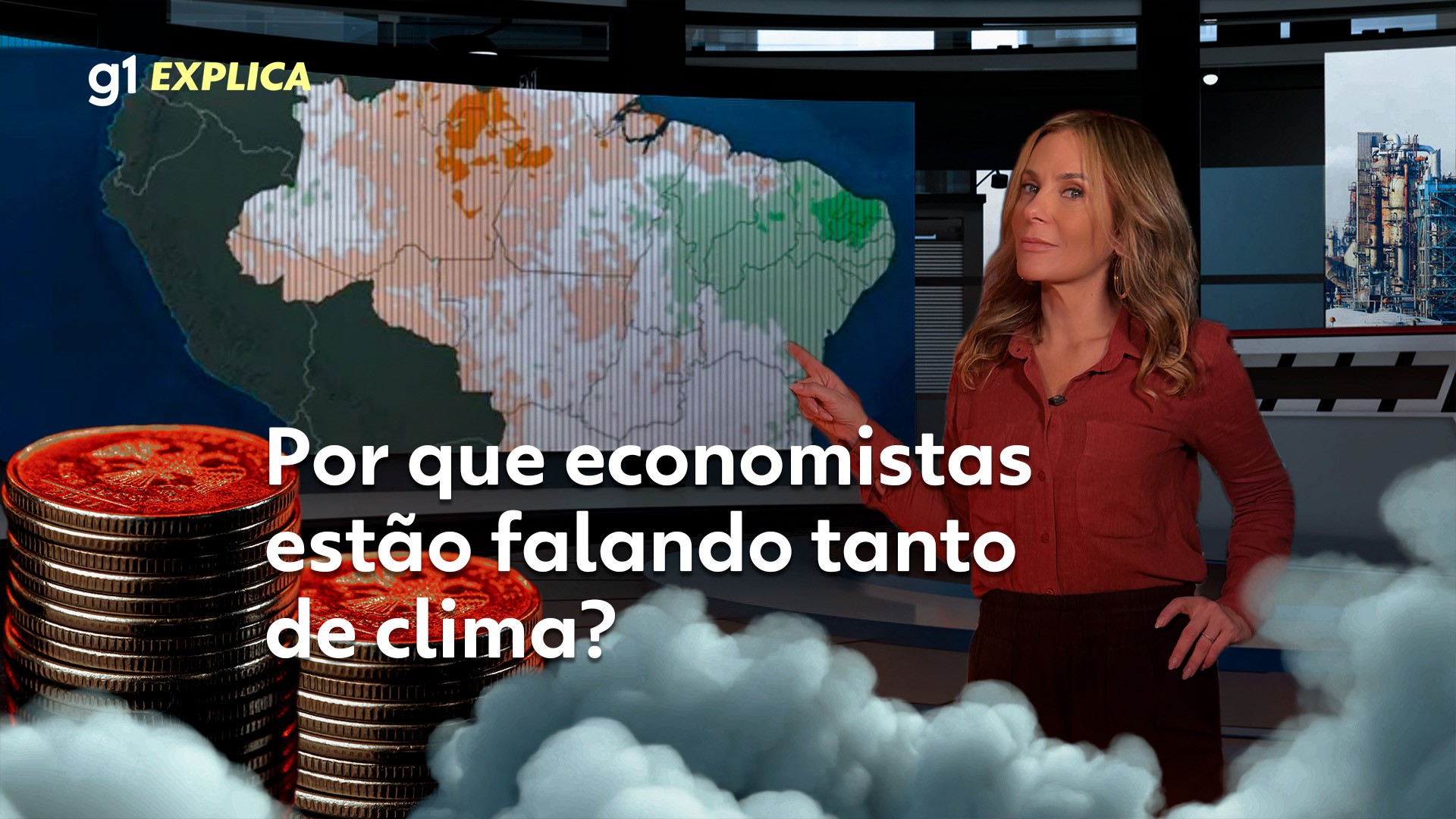
Economists are increasingly incorporating climate phenomena like El Niño, heatwaves, floods, and droughts into their economic analyses and projections. These extreme weather events are no longer considered isolated incidents but rather significant factors capable of influencing national economies. The Brazilian Central Bank, the Ministry of Finance, and the financial market are now actively monitoring these climatic shifts. El Niño, for instance, poses a substantial risk by potentially decreasing food production, increasing energy generation costs, and driving up inflation. Consequently, the Central Bank is integrating these climate-related price pressures into its forecasts, while the government is assessing potential impacts. Beyond the direct costs associated with disaster response, extreme weather events can also affect interest rate trajectories. Experts believe that climate risk has become a critical component of economic decision-making, standing alongside established factors such as fiscal and exchange rate risks. This integration signifies a growing recognition of the interconnectedness between environmental stability and economic health.
The increasing integration of climate risk into economic forecasting by institutions like Brazil's Central Bank and Ministry of Finance reflects a systemic shift. Historically, economic models primarily focused on fiscal, monetary, and market dynamics. However, the escalating frequency and intensity of extreme weather events demonstrate that environmental factors are no longer externalities but direct drivers of economic instability. This necessitates a recalibration of risk assessment frameworks to account for climate-induced supply chain disruptions, agricultural output volatility, and infrastructure damage. The challenge for policymakers lies in developing adaptive strategies that mitigate these risks without stifling economic growth, potentially through investments in climate-resilient infrastructure and diversified energy sources. This trend highlights a broader global challenge: aligning economic systems with planetary boundaries to ensure long-term stability and prosperity in an era of accelerating climate change.
AI-generated to prompt reflection — not editorial opinion, not advice, not a statement of fact. How this works.