Extremely Difficult Sudoku Puzzle 6477a Released
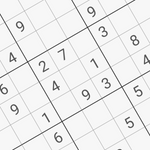
A new Sudoku puzzle, designated as "extremely difficult" and identified by the code 6477a, has been made available. This puzzle is intended for players seeking a significant mental challenge. Sudoku, a logic-based number-placement puzzle, typically involves filling a 9x9 grid with digits so that each column, each row, and each of the nine 3x3 subgrids contain all of the digits from 1 to 9. The difficulty of a Sudoku puzzle is often determined by the number of initial clues provided and the complexity of the logical deductions required to solve it. Puzzles labeled as "extremely difficult" usually require advanced solving techniques, such as chaining, marking, or unique rectangle strategies, and can take a considerable amount of time to complete, even for experienced players. The release of this puzzle caters to enthusiasts who enjoy pushing their problem-solving skills to the limit. Further details regarding the specific techniques needed or the number of initial clues were not provided in the source material.
The release of an "extremely difficult" Sudoku puzzle like 6477a highlights a niche market for complex cognitive challenges. Such puzzles serve as a form of mental exercise, engaging problem-solving and logical reasoning faculties. In an era increasingly dominated by AI, the demand for human-centric, non-computational problem-solving may persist, offering a counterpoint to automated tasks. The difficulty rating itself is subjective but signals a deliberate design to test advanced deductive capabilities, potentially fostering a sense of accomplishment for those who can solve it. This reflects a broader trend where individuals seek out activities that push their intellectual boundaries, offering personal growth and stress relief.
AI-generated to prompt reflection — not editorial opinion, not advice, not a statement of fact. How this works.