Extremely Difficult Sudoku Puzzle 6483a
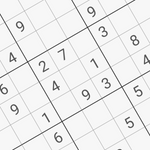
This entry presents an extremely difficult Sudoku puzzle, identified by the code 6483a. The puzzle is a variant of the classic Sudoku game, which requires players to fill a 9x9 grid with digits so that each column, each row, and each of the nine 3x3 subgrids that compose the grid contain all of the digits from 1 to 9. The designation 'extremely difficult' suggests that this particular puzzle presents a significant challenge, likely requiring advanced solving techniques and considerable time to complete. Sudoku puzzles are popular for their ability to sharpen logical reasoning and problem-solving skills. The difficulty level is typically determined by the number of initial clues provided and the complexity of the logical steps needed to deduce the remaining numbers. Puzzles rated as extremely difficult often involve complex chains of logic, requiring solvers to identify patterns and make deductions that are not immediately obvious. This puzzle, 6483a, is intended for experienced Sudoku enthusiasts seeking a substantial mental workout.
This Sudoku puzzle, labeled 'extremely difficult 6483a', represents a specific instance within the broader gamified logic puzzle industry. The categorization of difficulty serves as a marketing tool and a user-selection mechanism, catering to a spectrum of player expertise and engagement. From a systems perspective, such puzzles leverage cognitive engagement as a commodity, offering mental stimulation in exchange for user time and attention. The inherent challenge, while appealing to enthusiasts, also highlights the potential for AI to analyze and solve complex logical structures, raising questions about the future of human-centric problem-solving in an increasingly automated world. The long-term societal impact of such cognitive exercises, while generally positive for individual skill development, could also be viewed through the lens of attention economy dynamics and the potential for digital escapism.
AI-generated to prompt reflection — not editorial opinion, not advice, not a statement of fact. How this works.