Extremist Group Leader Claims Power Greed Prevented Islamic Rule in Bangladesh
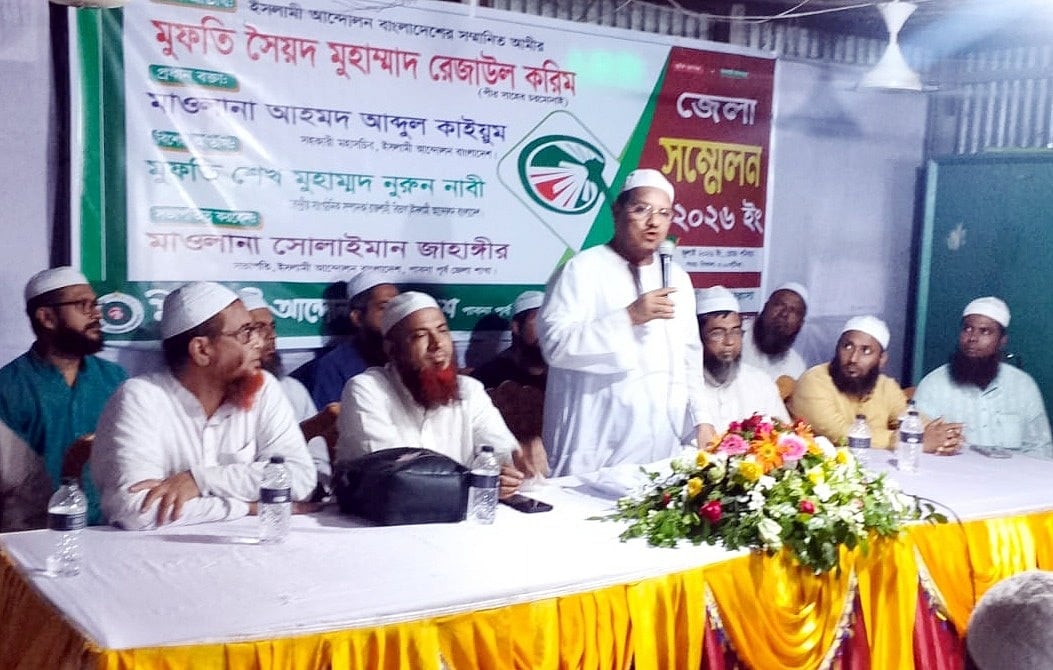
The Amir of Islami Andolan Bangladesh, Mufti Syed Muhammad Rezaul Karim, has stated that the establishment of Islamic rule in the country has been hindered by the greed for power within a specific group. He believes this ambition has prevented the implementation of Islamic governance. The leader of the Islamist party made these remarks in Bangladesh. His comments suggest internal political dynamics are at play, preventing the realization of his party's ideological goals. The specific group or "circle" responsible for this alleged power greed was not explicitly identified by name in the statement. However, the implication is that certain influential actors are prioritizing their own political gains over the establishment of an Islamic state.
The statement attributes the failure to establish Islamic governance to the "power greed" of an unspecified "circle." This framing suggests a narrative of internal obstruction rather than external opposition or a lack of popular support. From a systems perspective, such claims often serve to externalize blame and consolidate a group's identity against perceived internal enemies. In the context of political Islam, the pursuit of governance models is complex, involving societal acceptance, legal frameworks, and diverse interpretations of religious principles. The analysis of such statements requires examining the incentive structures of political actors and how they frame their objectives and challenges to mobilize support and justify their positions within the broader political landscape.
AI-generated to prompt reflection — not editorial opinion, not advice, not a statement of fact. How this works.