Extremoz Lagoon Overflows Due to Heavy Rains, Isolating Residents Near Natal
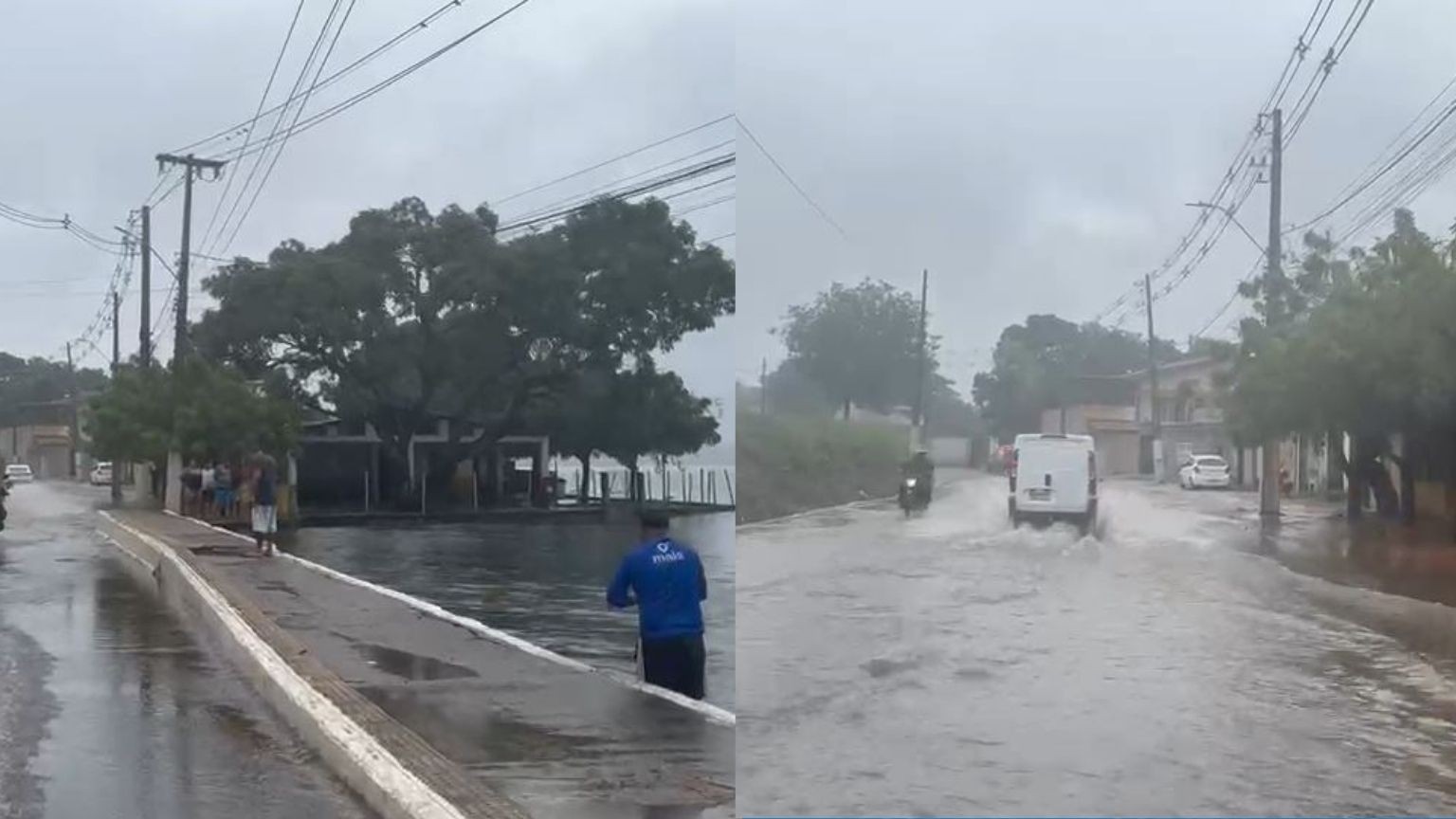
Heavy rainfall in Extremoz, located in the Greater Natal region of Rio Grande do Norte, Brazil, caused the Extremoz Lagoon to overflow on Tuesday, April 21st. The deluge resulted in residents being stranded as water inundated homes and streets in coastal areas and other neighborhoods. The Extremoz Lagoon is the primary access route to the municipality. While the municipal government acknowledged the overflow was due to a high volume of water, they stated that traffic remained normal. Should the main access become impassable, the only alternative route to the city would be through the Moinho dos Ventos neighborhood via the BR-101 North highway, with the city administration promising prior notification of any traffic flow changes. The coastal region, particularly the Redinha Nova beach area, was severely impacted, with residents near Rua da Baleia finding themselves isolated and water entering their homes. Access to residences on Rua Beberibe was cut off, and traffic near the Natal Aquarium faced difficulties heading towards the northern coast and back towards Natal. One long-term resident expressed frustration, describing the recurring flooding as a sign of neglect and a lack of dignity due to poor infrastructure. Municipal teams from the Civil Defense and Social Assistance departments are providing support to affected families and monitoring risk areas.
The recurring flooding in Extremoz, exacerbated by heavy rainfall, highlights a persistent challenge in urban planning and infrastructure management in rapidly developing coastal areas. The overflow of the Extremoz Lagoon and subsequent isolation of residents points to potential systemic issues in water management, drainage capacity, and the resilience of critical access routes against extreme weather events. While municipal authorities are responding with aid and monitoring, the long-term solution likely requires a comprehensive review of land-use planning, investment in robust drainage systems, and potentially nature-based solutions to mitigate the impact of intense precipitation. The residents' accounts underscore the critical need for proactive infrastructure development that anticipates climate change impacts and ensures the safety and dignity of communities, rather than reactive responses to predictable natural events.
AI-generated to prompt reflection — not editorial opinion, not advice, not a statement of fact. How this works.