Eyewear Thrift Store Owner Builds $15,000/Month Business from Forgotten Frames
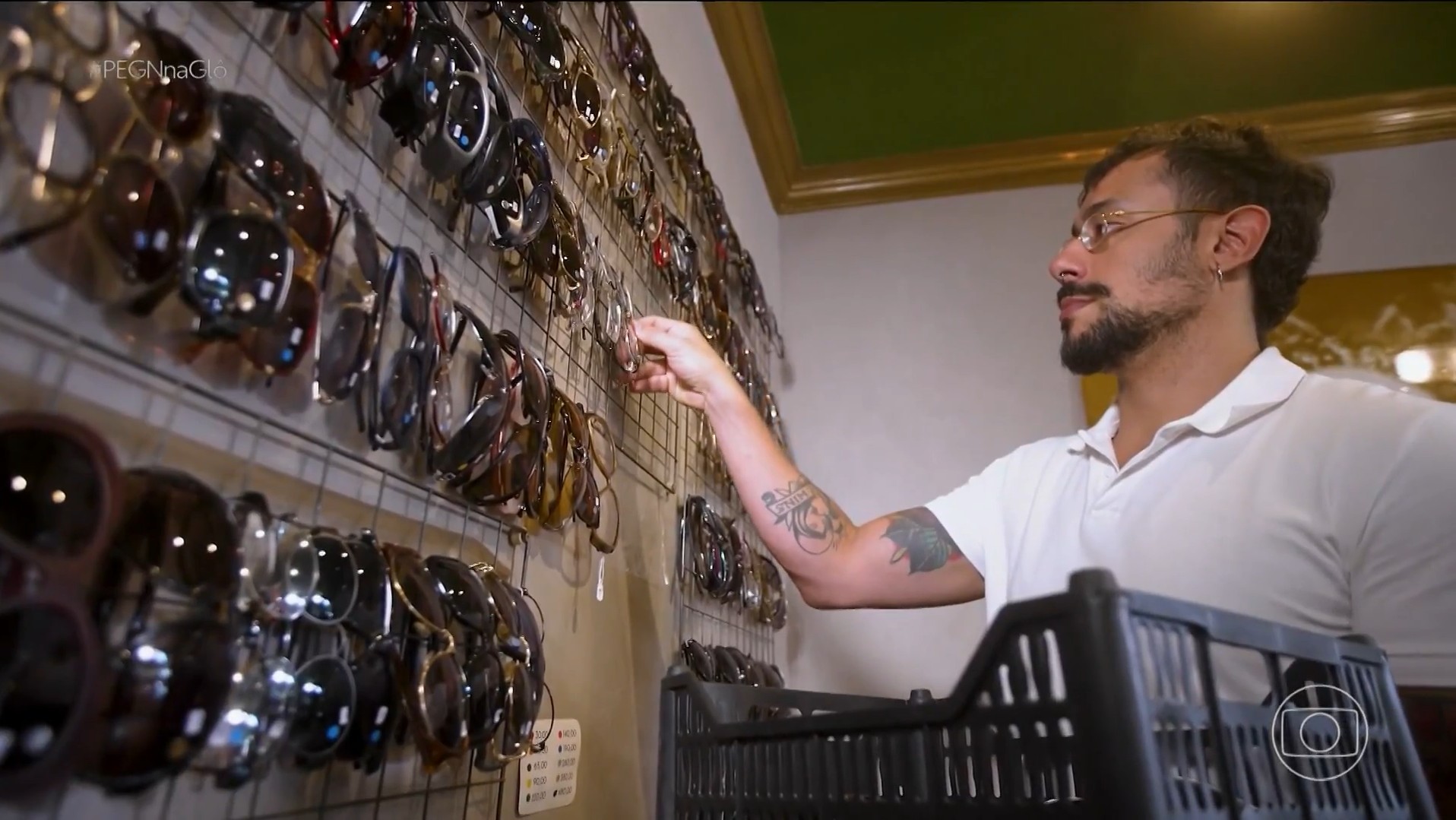
Mayton Campelo, founder of Brechó do Óculos (Eyewear Thrift Store), has transformed forgotten eyeglass frames into a thriving business grossing approximately R$ 80,000 (around $15,000 USD) per month. Campelo grew up in his parents' optical shop, where he noticed hundreds of old frames accumulating in inventory. Instead of seeing them as dead stock, he recognized an opportunity to tap into the growing market for vintage fashion, sustainability, and items with sentimental value. Starting informally in 2011 by selling pieces at flea markets, Campelo gradually built a brand, launched an e-commerce platform, and expanded his operations. He strategically avoided high fixed costs early on, prioritizing business model validation before investing in a physical store. Today, Brechó do Óculos operates a flagship store in Brasília, has 20 additional points of sale, and even ships to international clients, including Portugal. The business now sources frames not only from inherited stock but also through extensive travel and sourcing from antique fairs and used markets in countries like Portugal, France, and Turkey. Each frame undergoes a meticulous cleaning, restoration, and repair process before being offered for sale, ranging from the 1960s to the 2000s, with prices from R$ 30 to R$ 2,000. Campelo emphasizes that the exclusivity of these out-of-production models is a key differentiator. The customer base is diverse, attracting vintage fashion enthusiasts, individuals seeking everyday frames, audiovisual professionals, and fashion productions, alongside consumers committed to circular economy principles. The brand has also gained significant visibility through endorsements from notable Brazilian artists and influencers, including Elza Soares, Luísa Sonza, and Pabllo Vittar. Campelo credits his family's optical business experience for providing invaluable technical knowledge and management insights, enabling him to identify value in dormant inventory.
This business model leverages the circular economy by repurposing pre-existing goods, addressing both consumer demand for unique vintage items and growing environmental consciousness. The entrepreneur's success highlights the potential for niche markets within the broader fashion and retail sectors, particularly when combined with effective online presence and strategic sourcing. Future growth may depend on maintaining the authenticity of the vintage appeal while scaling operations and managing the complexities of international sourcing and restoration. The model also presents an accessible entry point for aspiring entrepreneurs, provided they possess a keen eye for trends and a commitment to product quality and presentation.
AI-generated to prompt reflection — not editorial opinion, not advice, not a statement of fact. How this works.