Eyewitness Account of Hiroshima Bombing, Written 80 Years Ago, Rediscovered
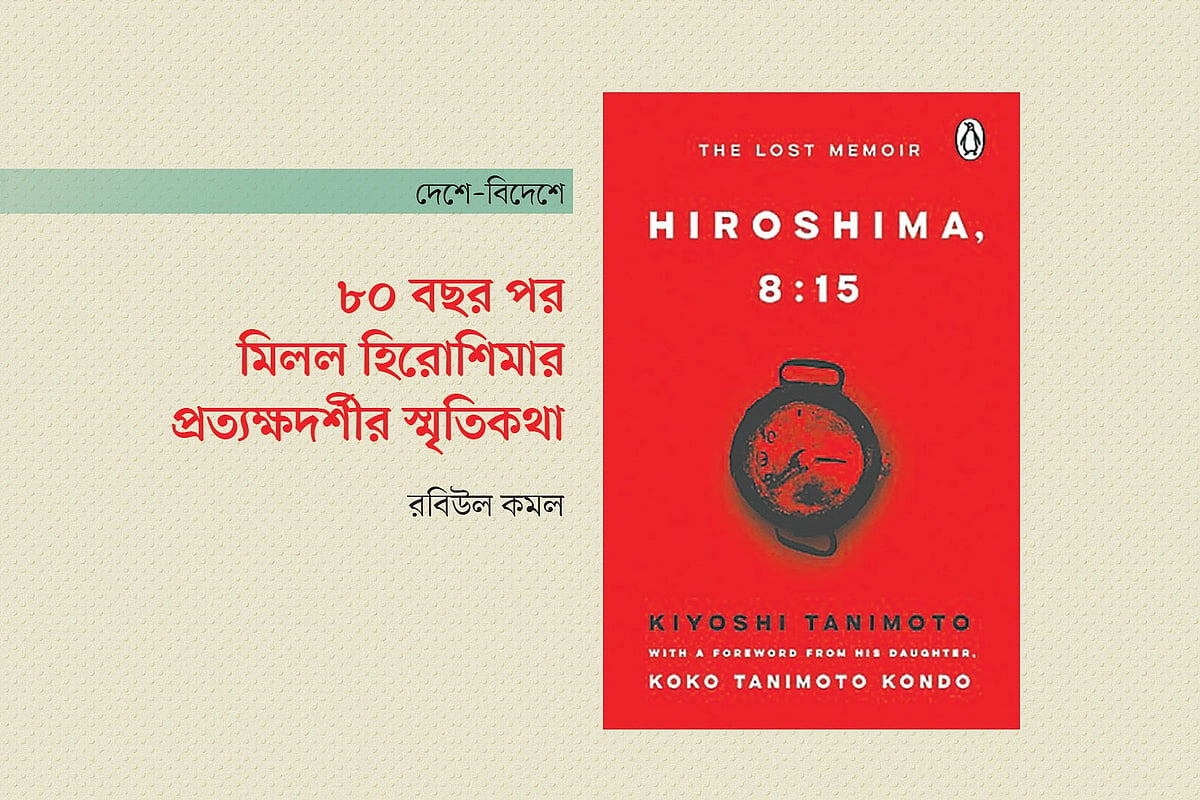
A firsthand account of the Hiroshima atomic bombing, penned nearly 80 years ago by eyewitness Kiyoshi Tanimoto, has been rediscovered in a U.S. archive after being lost for decades. Tanimoto, a Methodist minister in Hiroshima, survived the devastating attack on August 6, 1945, because he was out of the city delivering an altar at the time. He witnessed the horrific aftermath firsthand, describing widespread destruction, fires, and the suffering of survivors.
Initially unable to write about his experience, Tanimoto eventually decided to document his memories for future generations, believing that remembering history is crucial for humanity's hope. He completed the 230-page memoir, titled 'Hiroshima, 8:15,' in 1947. The book is set to be published for the first time on August 6, the anniversary of the bombing, by Random House and Penguin for international distribution. The title refers to the exact time the atomic bomb detonated.
The manuscript was found among the personal papers of American journalist John Hersey, who interviewed Tanimoto eight months after the bombing for his own seminal work, 'Hiroshima.' Tanimoto's memoir had been stored at Yale University's Beinecke Rare Book & Manuscript Library. In addition to its publication, the memoir will also be adapted into a feature-length film, also titled 'Hiroshima, 8:15.'
The rediscovery of Kiyoshi Tanimoto's 1947 memoir offers a critical, personal perspective on the human cost of nuclear warfare, supplementing historical accounts like John Hersey's. This event highlights the fragility of historical records and the importance of archival preservation. The publication and film adaptation underscore a persistent global interest in understanding the long-term consequences of nuclear weapons and the ethical considerations surrounding their use. As societies grapple with the potential resurgence of nuclear threats, such firsthand testimonies serve as vital reminders of the imperative for de-escalation and disarmament, prompting reflection on the systemic failures that led to such catastrophic events and the enduring need for peace.
AI-generated to prompt reflection — not editorial opinion, not advice, not a statement of fact. How this works.