Eyewitness Identification Accuracy: Why We Overestimate Our Memory
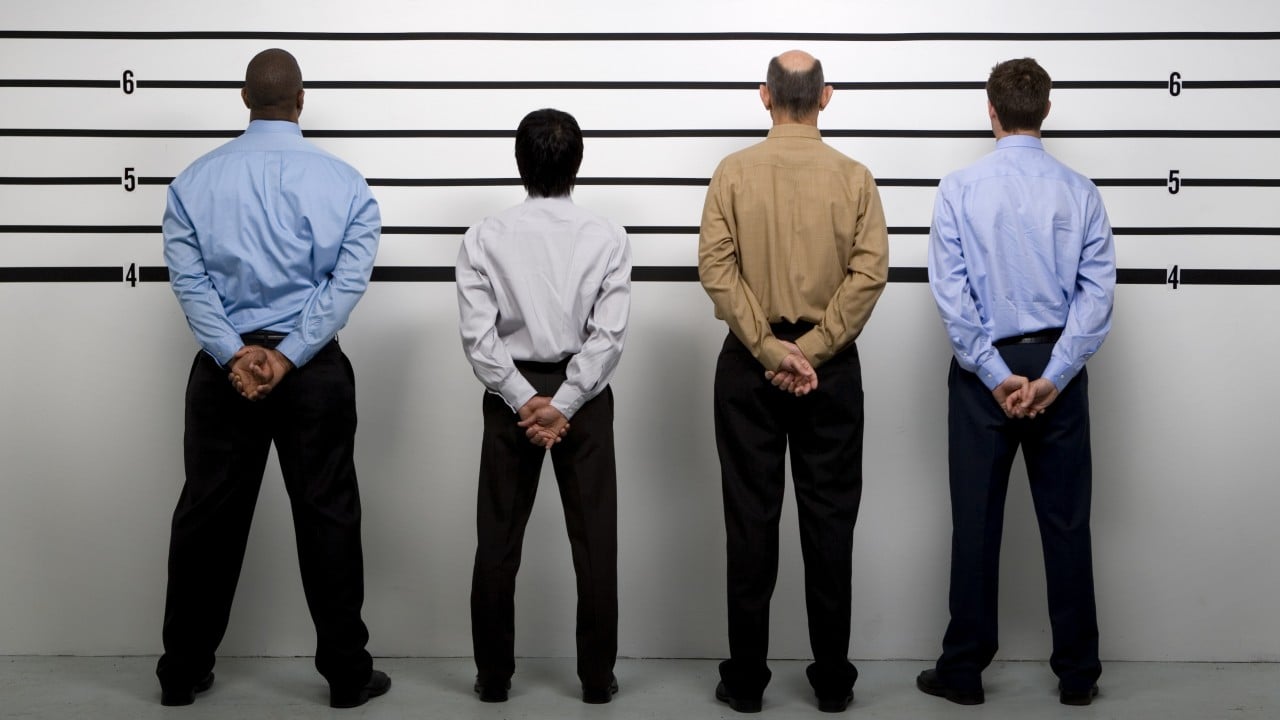
Studies consistently show that people overestimate their ability to accurately recall past events and recognize individuals they believe they have seen before. A 2011 study conducted in the United States revealed that a significant majority of participants, specifically 63 percent, held the belief that human memory functions like a video recording. This perception suggests a fundamental misunderstanding of how memory actually works, implying that eyewitnesses might equate their recall to replaying a recorded event. However, the reality of memory is far more complex and prone to inaccuracies than this simplistic analogy suggests. The tendency to believe in the infallibility of memory can have significant implications, particularly in legal contexts where eyewitness testimony plays a crucial role. This overconfidence in recall can lead to misidentifications, potentially impacting the fairness and accuracy of the justice system. Understanding these limitations is vital for both individuals and legal professionals.
The human tendency to equate memory with a video recording, as indicated by the 2011 US study, highlights a common cognitive bias. This overestimation of recall accuracy, particularly in high-stakes situations like criminal identification, poses a significant challenge to the reliability of eyewitness testimony. The legal system's reliance on such testimony, without robust consideration of memory's inherent fallibility and susceptibility to distortion, could lead to systemic errors. Future legal frameworks might benefit from integrating more sophisticated understanding of cognitive psychology to mitigate risks associated with misidentification, thereby enhancing the pursuit of justice by acknowledging the probabilistic nature of human recollection rather than its perceived certainty.
AI-generated to prompt reflection — not editorial opinion, not advice, not a statement of fact. How this works.