F-35s and NATO: Turkey's Push, Trump's Response, and Congressional Reaction
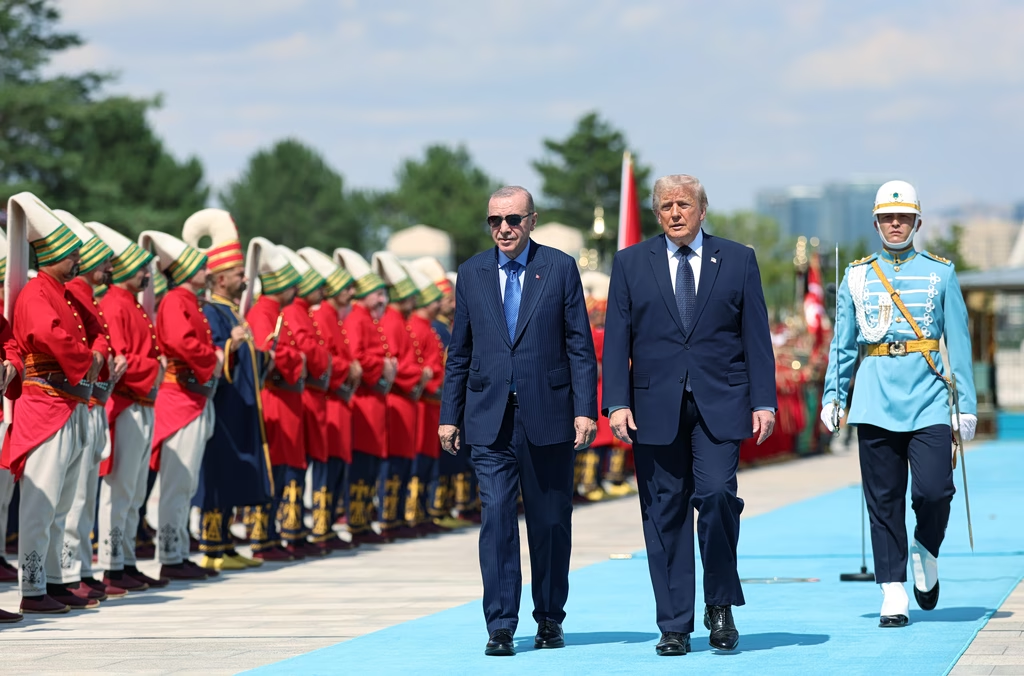
Former U.S. President Donald Trump has reopened the discussion regarding Turkey's potential return to the F-35 fighter jet program. Turkey was removed from the program in 2019 after purchasing the Russian S-400 missile defense system, a move that strained relations between Ankara and Washington, as well as NATO allies. Trump's latest intervention comes as Turkey continues to advocate for its re-inclusion, seeking to regain its position as a partner in the advanced aircraft's development and procurement. This development has created new dynamics within the NATO alliance, which relies on interoperability and shared defense capabilities among its member states. The U.S. Congress has also reacted to these developments, with some lawmakers expressing concerns about the implications of allowing Turkey back into the F-35 program, particularly in light of its defense ties with Russia and its broader geopolitical stance. The situation highlights the complex interplay of national interests, alliance commitments, and security concerns that shape international defense partnerships. The ongoing debate underscores the challenges NATO faces in maintaining cohesion and strategic alignment among its diverse members.
The renewed discussion surrounding Turkey's F-35 program participation highlights the intricate balance of geopolitical interests within NATO. Turkey's strategic position and its historical role as a key partner in the F-35 project create a tension between alliance cohesion and individual member state security choices, particularly concerning non-NATO defense procurements. The involvement of a former U.S. President introduces an unpredictable variable into established diplomatic and defense frameworks. Congress's reaction reflects ongoing concerns about technological security and the strategic implications of Turkey's defense relationships. Moving forward, the situation necessitates a careful evaluation of how to reconcile alliance objectives with the security imperatives and foreign policy decisions of individual member nations, especially in an era of evolving global security threats and the increasing importance of technological interoperability.
AI-generated to prompt reflection — not editorial opinion, not advice, not a statement of fact. How this works.