Fátima Leão Reveals 'Dormi na Praça' Was Rejected by Many Artists Before Bruno & Marrone Hit
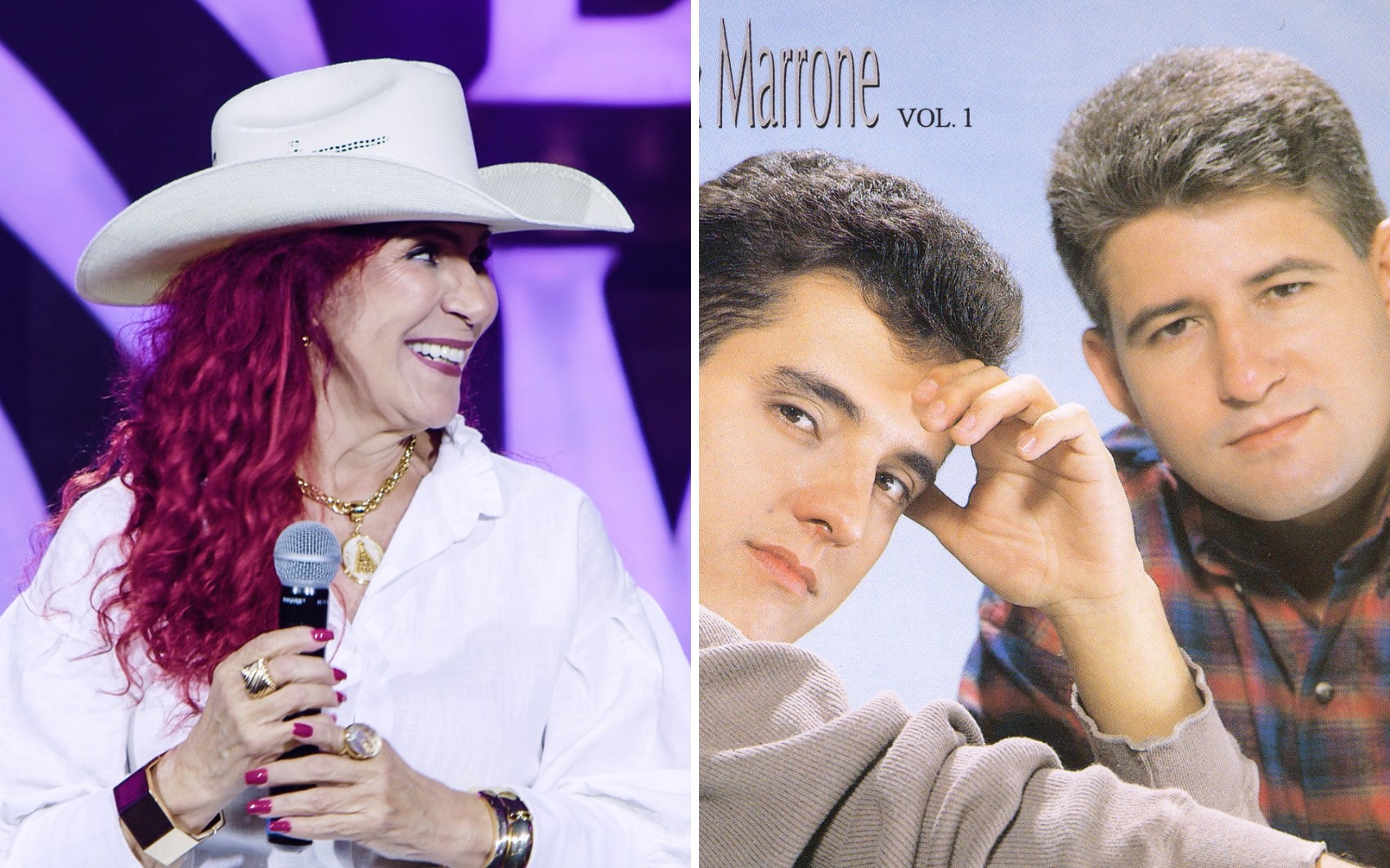
Brazilian singer-songwriter Fátima Leão, 70, has revealed that her massive sertanejo hit song 'Dormi na Praça' was initially rejected by numerous artists before being recorded by the duo Bruno and Marrone. Leão, who has over four decades of experience as a composer, shared in an interview with g1 that she offered the song to artists like Gian e Giovani, Chitãozinho e Xororó, and Edson e Hudson, among others. The song eventually found its way to Bruno and Marrone when Leão's ex-husband, Felipe, began producing for the then-emerging duo. Despite its eventual success, Leão noted that the song didn't immediately become a hit, experiencing a lull in sertanejo music popularity. She recounted feeling frustrated and crying over the song's initial lack of recognition, but ultimately trusted that its time would come. Seven years after its initial release in 1994 on Bruno and Marrone's first album, 'Dormi na Praça' achieved national fame in 2001 after being re-recorded, transforming the lives of everyone involved. Leão also detailed the song's inspiration, explaining that she and co-writer Elias Muniz conceived the story of a construction worker who gets drunk after an argument with his wife, falls asleep in a public square, and dreams of reconciling with her. The song's narrative is completed when a police guard wakes him, leading to his plea, 'Seu guarda eu não sou vagabundo, eu não sou delinquente, eu sou um cara carente, eu dormi na praça pensando nela' (Officer, I'm not a vagabond, I'm not a delinquent, I'm a needy guy, I slept in the square thinking of her). Leão has penned many other hits, including 'Você Só Me Faz Feliz,' 'Alô,' 'Me Engana Que Eu Gosto,' and 'Muda de Vida,' with her compositions recorded by a wide array of prominent Brazilian artists.
The trajectory of 'Dormi na Praça' highlights the complex dynamics of the music industry, where creative works can face significant hurdles before finding their intended audience and commercial success. This case illustrates how a song's reception is influenced not only by its artistic merit but also by timing, industry gatekeepers, and the specific artists who ultimately champion it. The seven-year delay between the song's initial release and its widespread popularity underscores the unpredictable nature of market trends and the potential for delayed recognition. Furthermore, Leão's experience points to the systemic challenges faced by songwriters in securing placements for their work, emphasizing the importance of persistence and strategic partnerships. The song's eventual success generated substantial economic activity, demonstrating the ripple effect of a single hit across various sectors of the entertainment economy.
AI-generated to prompt reflection — not editorial opinion, not advice, not a statement of fact. How this works.