F1's British Grand Prix Frustration: Automated Software Cited for Disappointing Finish
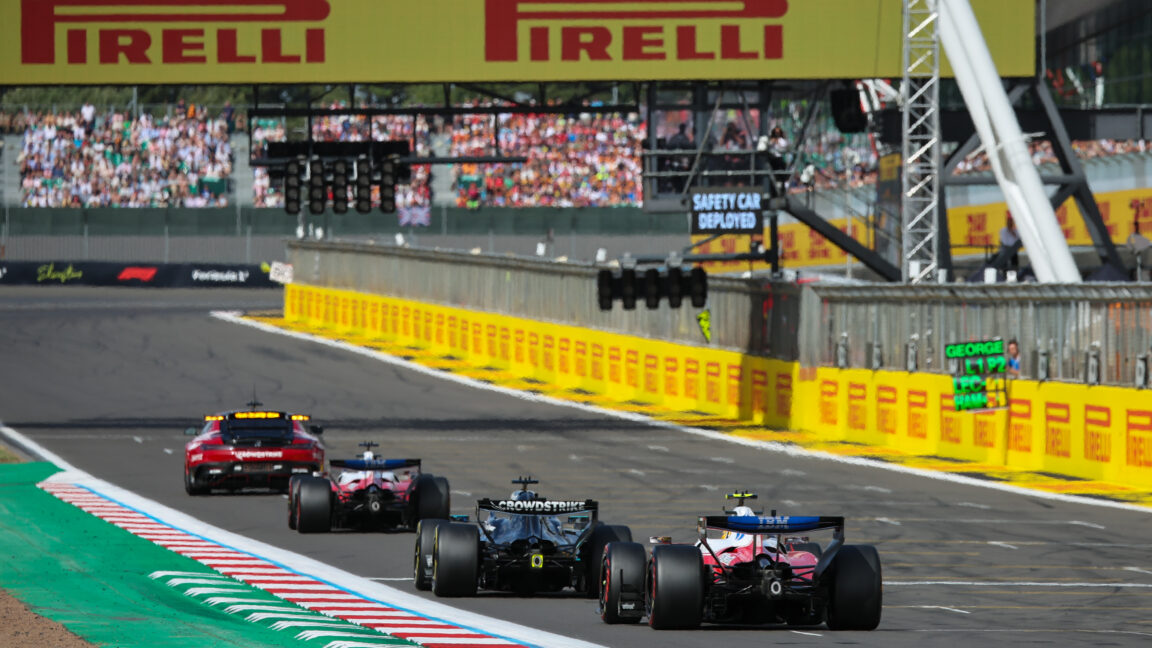
The recent Formula 1 race in Britain concluded in a manner that left many spectators unsatisfied, particularly as it finished behind a safety car. This anticlimactic ending has drawn criticism, with automated software being identified as the cause for the "crushing of expectations." While races concluding under safety car conditions are not uncommon in Formula 1, the specific circumstances of this event led to a particularly disappointing outcome for fans. The use of automated systems in race management has come under scrutiny as a result. The precise nature of the software malfunction or its specific role in the safety car deployment and subsequent race conclusion has not been detailed. However, the implication is that technological intervention, rather than on-track action, dictated the final result, leading to widespread dissatisfaction.
The incident highlights a growing tension between the reliance on automated systems for efficiency and the unpredictable, human-centric nature of motorsport. While software can ensure adherence to regulations and potentially enhance safety, its application in dynamic environments like F1 carries the risk of diminishing the spectacle and fan engagement. The "crushing of expectations" suggests a disconnect between the intended outcome of automated race management and the desired experience for spectators. Future considerations for F1's governing bodies may involve balancing technological precision with the preservation of sporting drama, exploring how algorithms can support, rather than supplant, the inherent excitement of live competition. This event prompts a broader discussion on the role of AI in live entertainment and the potential for unintended consequences when complex systems interact with human passion.
AI-generated to prompt reflection — not editorial opinion, not advice, not a statement of fact. How this works.