Faaker See's Privatization: Access Restricted Despite Tourism Promotion
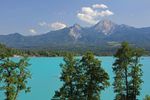
The Faaker See in Carinthia, Austria, once celebrated for its turquoise waters and promoted as a tourist destination, is now largely inaccessible to the public. Visitors seeking to enjoy the lake are frequently encountering fences and "no trespassing" signs, indicating a significant shift towards privatization of its shores. This situation has raised questions about how the once open access to the lake's waterfront has been eroded over time. An investigation into the matter reveals a gradual transformation of the lake's perimeter into a zone largely controlled by private interests. The contrast between the official tourism marketing of the Faaker See and the reality of restricted public access highlights a growing concern for local residents and visitors alike. The article aims to trace the historical and economic factors that have led to this privatization, questioning the sustainability of such a model for a popular natural resource.
The privatization of public access points to natural resources like the Faaker See raises questions about balancing private property rights with the public good, particularly in regions reliant on tourism. This trend may reflect broader market dynamics where valuable waterfront property commands premium prices, incentivizing private acquisition and development. While private investment can enhance amenities, it can also lead to exclusion, potentially diminishing the overall appeal and accessibility of a destination. Future governance models might explore innovative public-private partnerships or land trusts to ensure continued public enjoyment while allowing for responsible private stewardship, thereby mitigating the risk of natural assets becoming exclusive enclaves.
AI-generated to prompt reflection — not editorial opinion, not advice, not a statement of fact. How this works.