Fabrizio Gifuni: Memory Protects Us from Power's Anarchy
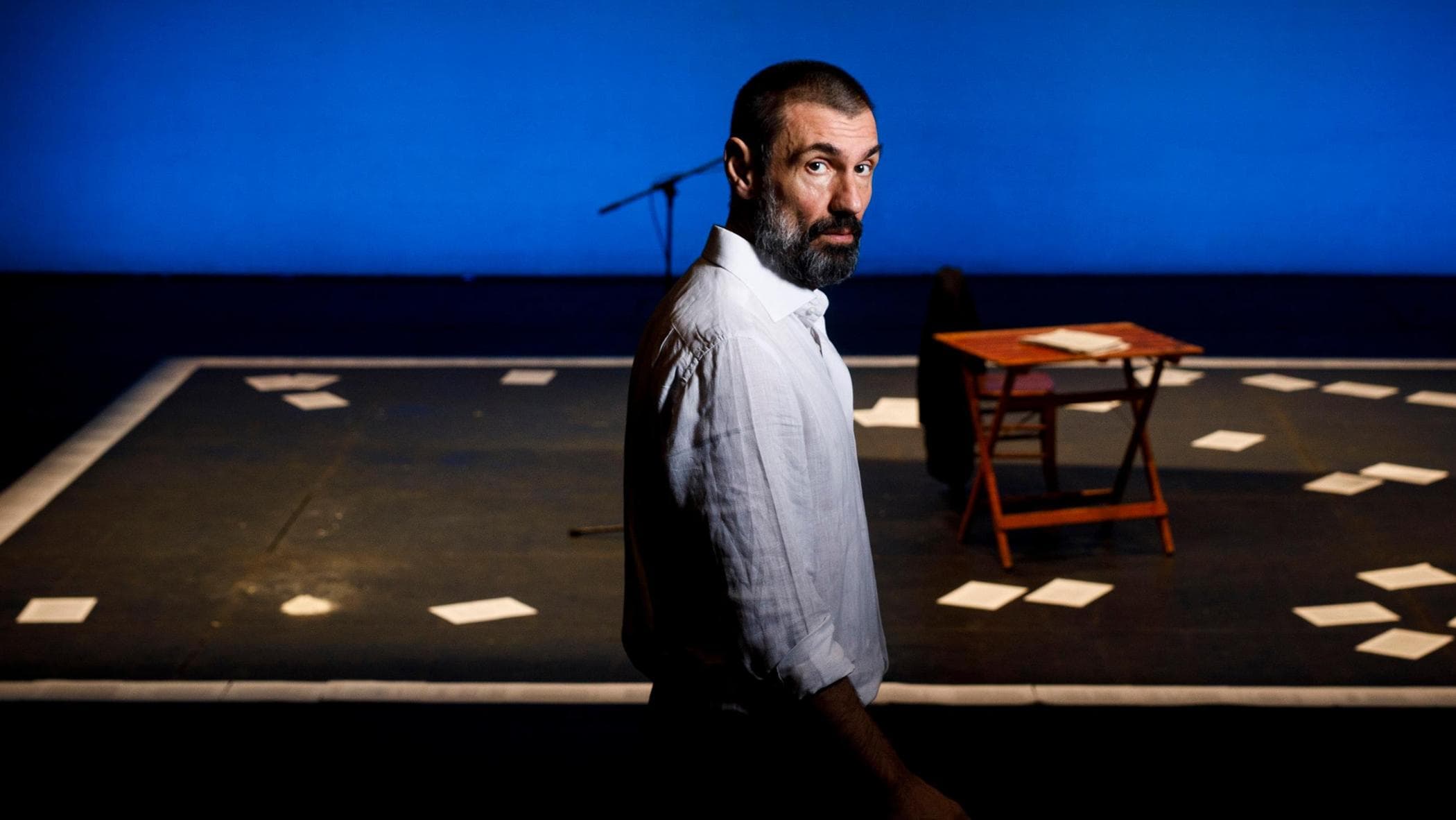
Italian actor Fabrizio Gifuni, having passed his 60th birthday, reflected on his career beginnings, his memories, his involvement in theater, and his projects. He emphasized the importance of intergenerational exchange and shared his views on the role of memory in society. Gifuni argued that memory is not a burden but a crucial safeguard against the arbitrary nature of power. He contrasted this with the dangers of forgetting, which he believes allows for a "dictatorship of the eternal present." In such a state, he suggested, one can easily contradict themselves from one day to the next, implying a loss of historical context and accountability. His reflections touch upon the actor's craft, his commitment to his art, and his broader concerns about societal memory and political power.
Fabrizio Gifuni's perspective highlights a critical tension between historical memory and the contemporary political landscape, particularly concerning what he terms the "dictatorship of the eternal present." This concept suggests a societal tendency to prioritize immediate concerns and narratives, potentially at the expense of long-term understanding and accountability. From a systems perspective, the erosion of collective memory can weaken democratic institutions by diminishing the capacity for informed public discourse and critical evaluation of power. The incentive structure for political actors might favor short-term gains and narrative control over substantive policy, which a robust sense of history can counteract. As AI technologies increasingly shape information dissemination and public perception, understanding the mechanisms by which memory is preserved or manipulated becomes paramount for maintaining societal resilience and informed citizenship in the coming decade.
AI-generated to prompt reflection — not editorial opinion, not advice, not a statement of fact. How this works.