Face Becomes Biometric Fingerprint: Privacy and Surveillance Concerns Rise
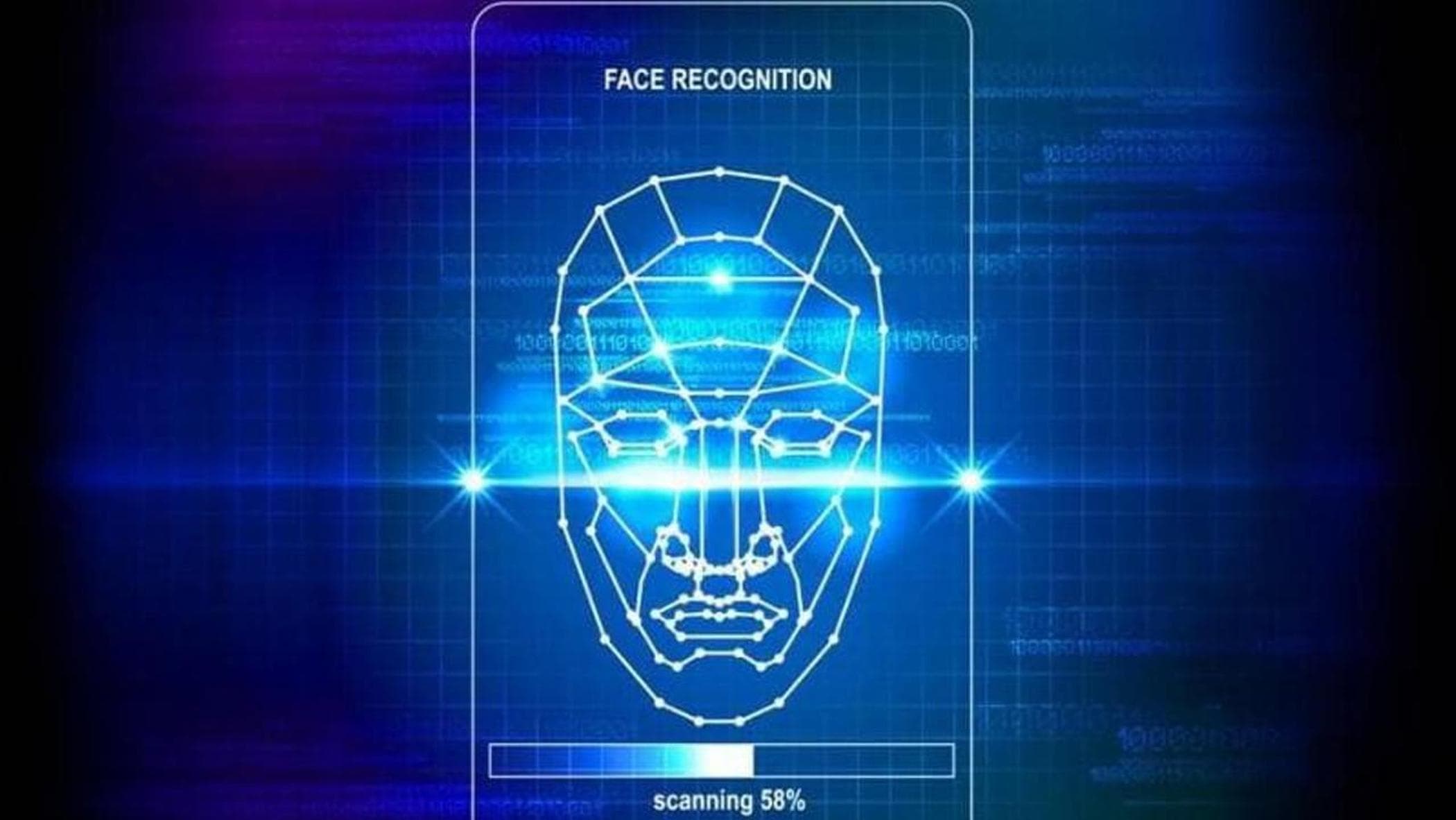
The article discusses the increasing use of facial recognition technology, which transforms a person's face into a biometric fingerprint. This technology raises significant concerns regarding privacy and the potential for mass surveillance. The piece aims to explain what facial recognition is and how it functions. As this technology becomes more integrated into daily life, understanding its mechanisms and implications is crucial. The development raises questions about data security and the potential misuse of biometric information. Citizens are increasingly worried about who has access to their facial data and how it might be used for profiling or tracking. The article intends to demystify the technology and address the growing public apprehension.
The proliferation of facial recognition technology presents a fundamental tension between security, convenience, and individual privacy. As faces are converted into unique biometric identifiers, the potential for centralized databases and pervasive surveillance increases, posing challenges to democratic norms and personal autonomy. This technological shift necessitates robust regulatory frameworks to govern data collection, storage, and usage, ensuring transparency and accountability. Future governance models must balance the benefits of such technologies against the risks of misuse, discrimination, and the erosion of civil liberties in an increasingly digitized world. The long-term societal impact hinges on establishing clear ethical guidelines and legal protections.
AI-generated to prompt reflection — not editorial opinion, not advice, not a statement of fact. How this works.