Facial Recognition Tech at CJP Protest: Legal Questions Arise
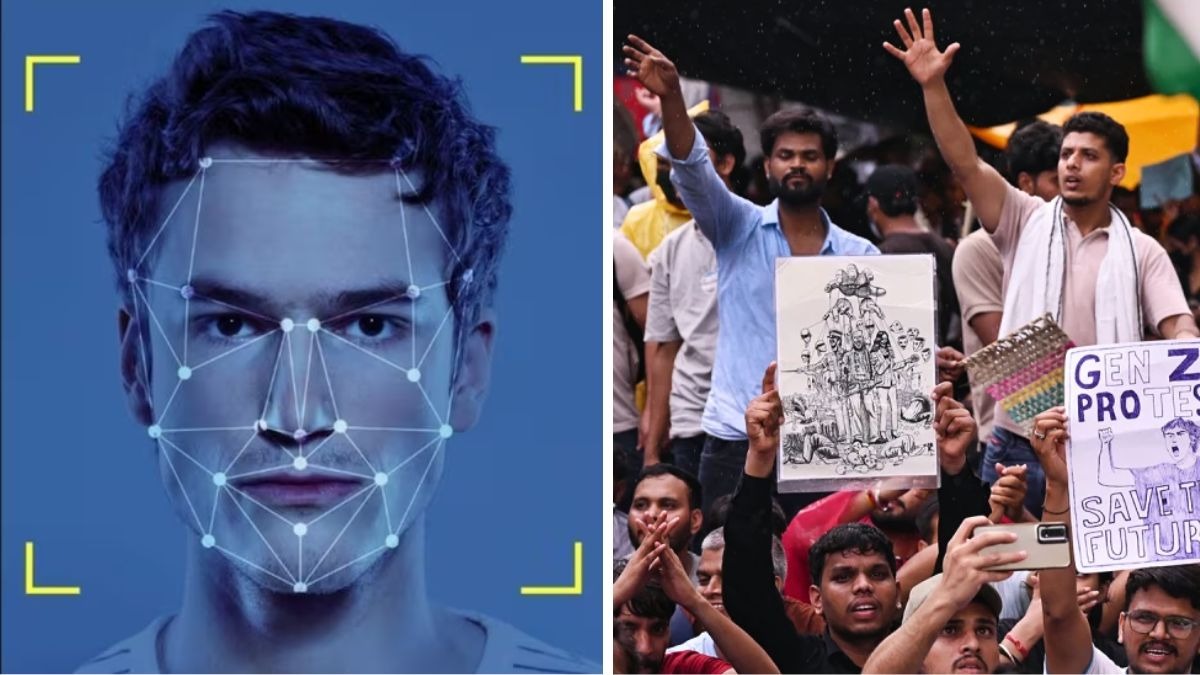
The presence of an AI-based facial recognition van, named 'Ikshana', during a Citizens for Justice and Peace (CJP) protest at Jantar Mantar has raised concerns regarding privacy and data security in India. Currently, there is no specific, dedicated law governing the use of facial recognition technology in the country. Experts suggest that while the government has the authority to conduct surveillance, it must adhere to constitutional and legal boundaries. The deployment of such technology at a public demonstration highlights the ongoing debate about balancing security needs with individual rights to privacy and data protection. The lack of a distinct legal framework for facial recognition leaves room for interpretation and potential misuse, prompting calls for clearer regulations. This incident underscores the need for a comprehensive legal approach to advanced surveillance technologies as they become more prevalent.
AI-driven facial recognition technology's deployment at public gatherings, such as the CJP protest, presents a complex intersection of state surveillance capabilities and fundamental privacy rights. While governments often cite security imperatives for employing such tools, the absence of a specific legal framework in India creates ambiguity regarding data collection, storage, and usage. This gap necessitates a careful examination of existing constitutional protections, particularly the right to privacy, and their adequacy in the face of rapidly evolving surveillance technologies. Future regulatory approaches will need to balance public safety objectives with robust safeguards to prevent potential misuse and ensure algorithmic accountability, considering the long-term societal implications of pervasive monitoring.
AI-generated to prompt reflection — not editorial opinion, not advice, not a statement of fact. How this works.