Fact-Check: Debunking Misinformation on Southern Europe Wildfires
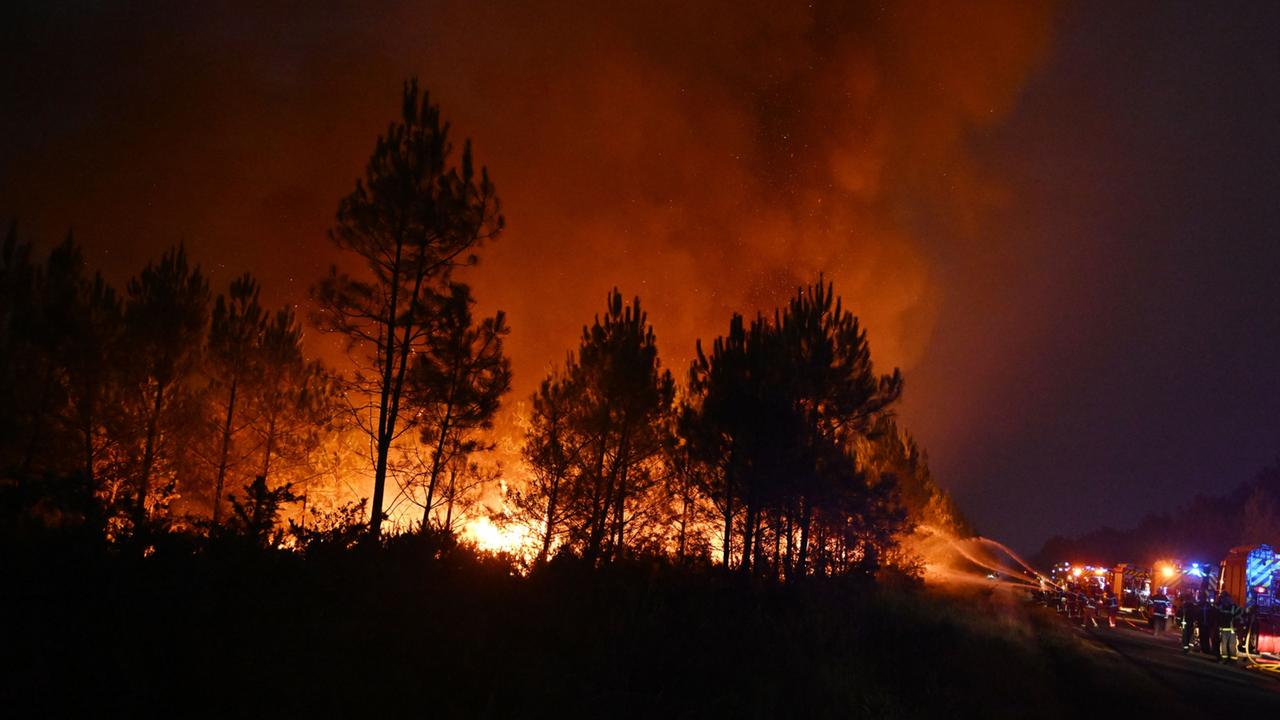
Numerous claims circulating online regarding wildfires in France, Italy, and Portugal have been fact-checked, revealing that many are based on fabricated AI-generated images or misleading interpretations of statistical data. These inaccuracies spread despite the real and severe impact of the fires across the affected regions. The original report highlights the need for critical evaluation of information presented on social media, especially during times of crisis. It suggests that the proliferation of false narratives can distract from the genuine challenges faced by communities and emergency services. The investigation aims to provide clarity and counter the spread of disinformation that could potentially hinder effective response or public understanding of the situation. By identifying and refuting these false claims, the fact-check seeks to promote a more accurate perception of the wildfire events.
The spread of misinformation regarding significant events like wildfires in Southern Europe, amplified by AI-generated imagery and distorted statistics, presents a challenge to public understanding and response. This phenomenon highlights the growing need for robust digital literacy initiatives and fact-checking mechanisms to counter deceptive content. The underlying incentive structures driving the creation and dissemination of such falsehoods, whether for engagement, political influence, or other motives, warrant scrutiny. As AI capabilities advance, distinguishing between authentic and synthetic media will become increasingly complex, necessitating proactive technological and educational solutions to safeguard information integrity and support informed decision-making in the face of real-world crises.
AI-generated to prompt reflection — not editorial opinion, not advice, not a statement of fact. How this works.