Fact Check: Five Unsubstantiated Claims in Trump's Primetime Address on Election Threats
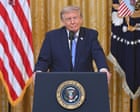
During a primetime address on alleged threats to US elections, President Donald Trump presented several claims that were not supported by evidence. He also released previously classified documents in an attempt to bolster these assertions, though some of these documents failed to substantiate his claims. The speech, delivered on Thursday, contained a series of misleading and false statements that could potentially mislead the American public. This analysis examines some of the key claims made by the president that lacked factual backing. The focus is on identifying specific assertions that were either unsubstantiated or contradicted by the information presented. The review aims to provide clarity on the accuracy of the president's statements regarding election security. Further details on these specific claims and the evidence (or lack thereof) are provided in the full report.
The dissemination of claims regarding election integrity, particularly when accompanied by the release of classified documents, warrants careful scrutiny. The presentation of information, whether accurate or not, significantly influences public perception and trust in democratic processes. When assertions are made that are not demonstrably supported by evidence, it raises questions about transparency and the motivations behind such communications. Future analyses should consider the potential impact of such claims on electoral outcomes and the broader political landscape, evaluating the incentive structures that may lead to the promotion of unverified information. Examining the long-term consequences for institutional credibility and public discourse is crucial in an era where information can be rapidly amplified.
AI-generated to prompt reflection — not editorial opinion, not advice, not a statement of fact. How this works.