Fact-Checking Trump's Claims on China and the 2020 Election
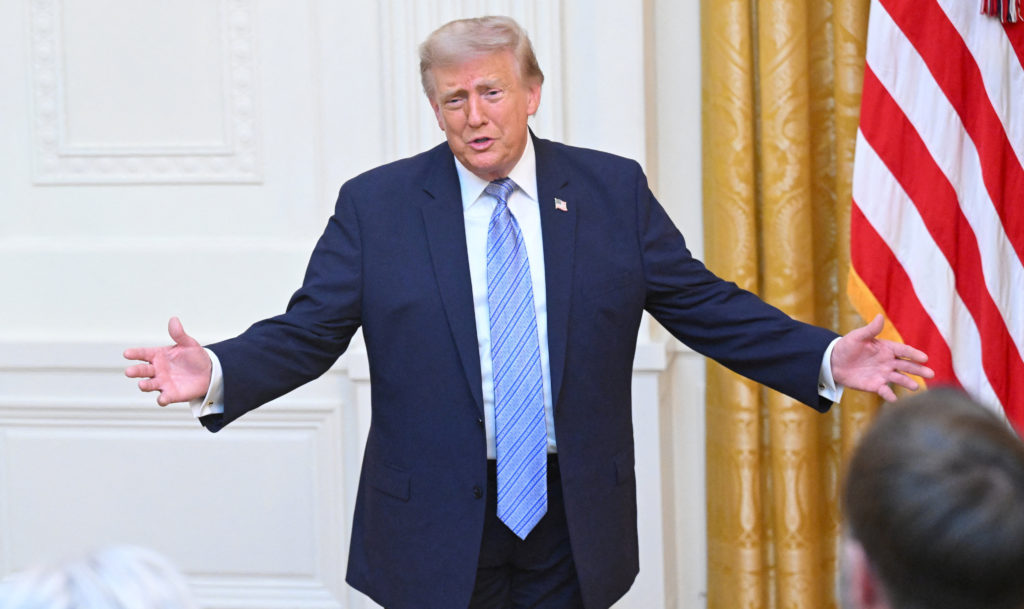
President Donald Trump's recent address included claims referencing intelligence community documents, some of which were declassified or partially redacted. During his remarks, Trump reportedly did not distinguish between potential Chinese plans and actions confirmed by analysts. The fact-checking of his speech focused on these specific assertions regarding China and the 2020 election. The analysis highlights the importance of differentiating between speculative intelligence and verified findings when discussing foreign adversaries. The presentation of information, particularly when drawing from sensitive or classified materials, requires careful attention to context and accuracy to avoid misinterpretation. The examination of Trump's statements aimed to provide clarity on the factual basis of his claims.
The presentation of intelligence assessments, especially those involving geopolitical rivals like China, necessitates a clear demarcation between potential threats and confirmed actions. When declassified or redacted documents are cited, it is crucial to provide the full context, including any limitations or uncertainties expressed by intelligence analysts. Failing to distinguish between what a foreign power might plan and what it has demonstrably done can lead to misinformed public discourse and potentially shape policy based on speculation rather than evidence. This practice raises questions about the responsible use of sensitive information in political communication, emphasizing the need for transparency and accuracy to foster informed decision-making and maintain trust in public institutions.
AI-generated to prompt reflection — not editorial opinion, not advice, not a statement of fact. How this works.