Facundo Medina Addresses Conspiracy Theories Targeting Argentina in World Cup Final
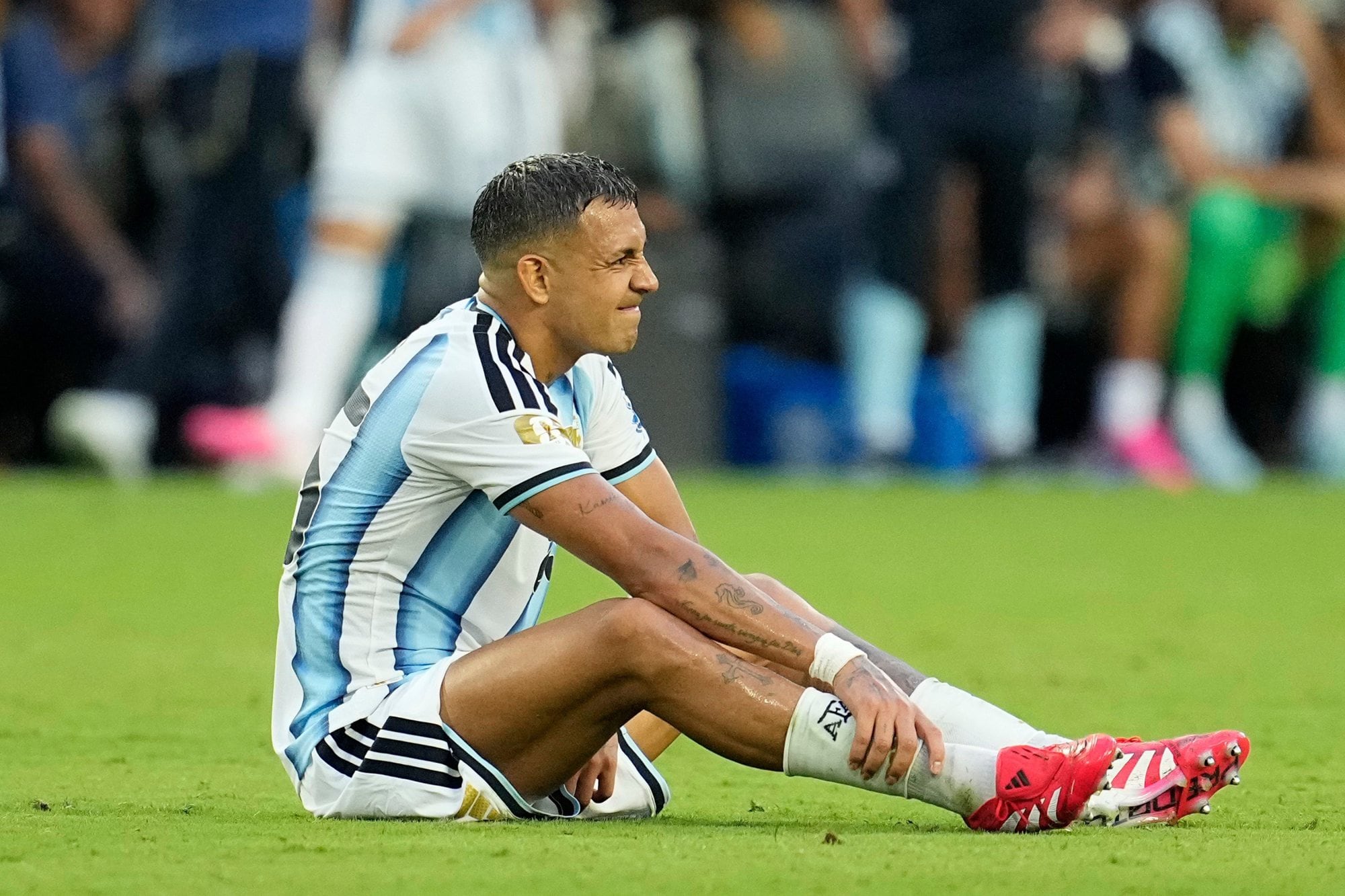
Argentine national team defender Facundo Medina has spoken out about conspiracy theories that emerged following the team's defeat in the World Cup final. Medina discussed conversations he had with his family in the aftermath of various versions that circulated after the loss in New Jersey. These theories seemingly targeted Argentina, suggesting external forces or unfair play influenced the outcome of the crucial match. Medina's comments highlight the psychological impact of such narratives on players and their support systems. The defender's willingness to address these sensitive topics indicates a desire to confront and dispel unfounded speculation. His remarks aim to provide clarity and reassurance to fans and stakeholders alike. The context of these theories, arising after a significant loss, points to the intense pressure and scrutiny faced by elite athletes and national teams. Medina's perspective offers insight into the personal challenges of navigating public discourse surrounding major sporting events. The situation underscores the broader phenomenon of conspiracy thinking in the digital age, extending even to the realm of international sports.
The emergence of conspiracy theories surrounding a major sporting event like the World Cup final, particularly targeting a national team, reflects broader societal trends of distrust and the rapid dissemination of unverified information. While players may feel compelled to address these narratives to protect team morale and public perception, the focus should remain on the performance and integrity of the sport itself. Analyzing the incentive structures that drive the creation and spread of such theories, whether for engagement, political leverage, or simply to sow discord, is crucial. Moving forward, sports organizations and media platforms have a responsibility to foster environments that prioritize factual reporting and critical thinking, thereby mitigating the impact of misinformation on athletes and fans alike. The long-term challenge lies in building resilience against such narratives in an increasingly interconnected and information-saturated world.
AI-generated to prompt reflection — not editorial opinion, not advice, not a statement of fact. How this works.