FAIR Data Principles Advanced for AI-Ready, Comparable, and Predictive Datasets
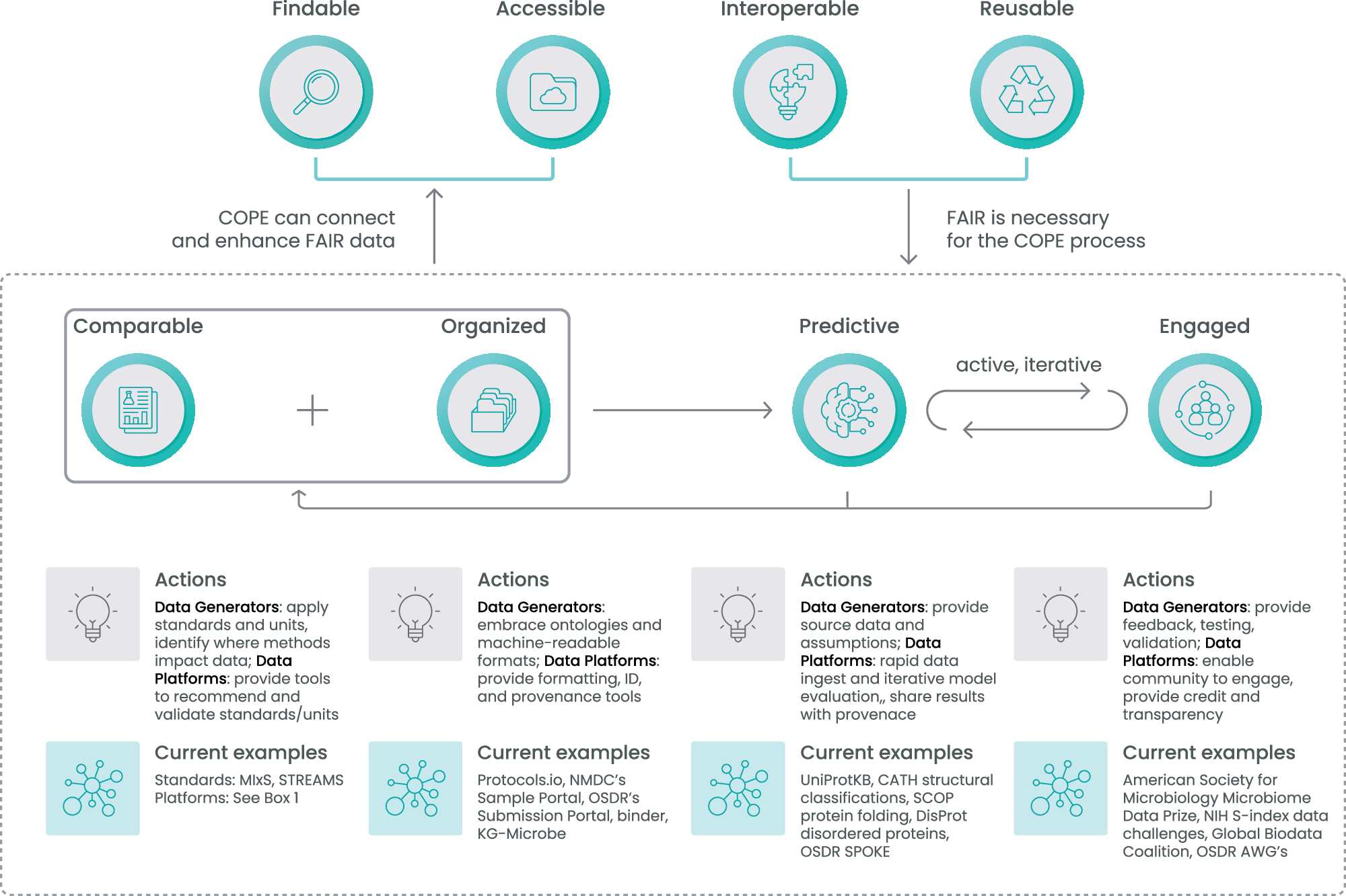
The principles of FAIR data are being advanced to create datasets that are comparable, organized, and ready for artificial intelligence applications. This initiative aims to facilitate community validation of these datasets. The focus is on making data Findable, Accessible, Interoperable, and Reusable (FAIR), which are crucial for enabling robust AI model development and deployment. By adhering to these standards, researchers and organizations can ensure that data is not only discoverable but also usable across different systems and applications. This improved data quality and accessibility are expected to accelerate scientific discovery and technological innovation. The goal is to move towards a state where data is inherently structured for predictive analysis and can be easily validated by the wider community. This effort supports the broader ecosystem of data sharing and collaborative research, ultimately leading to more reliable and impactful AI outcomes. The emphasis on comparability and organization ensures that disparate data sources can be integrated effectively, reducing the time and resources needed for data preparation.
The push for FAIR data principles represents a systemic effort to address the foundational challenges of data quality and accessibility in the age of AI. By standardizing data management, the initiative aims to mitigate risks associated with data silos and inconsistent formats, which can hinder AI model performance and reliability. This approach encourages a shift towards more transparent and auditable data pipelines, fostering trust in AI-driven insights. Looking ahead, the widespread adoption of FAIR data is likely to accelerate the development of more sophisticated AI applications by lowering the barrier to entry for data utilization and cross-institutional collaboration. However, the long-term success will depend on continuous adaptation of these principles to evolving data landscapes and AI methodologies, ensuring that data governance frameworks keep pace with technological advancements.
AI-generated to prompt reflection — not editorial opinion, not advice, not a statement of fact. How this works.