Fake Ancient Amphitheater in Italy Charged Tourists $65 Entry Fee
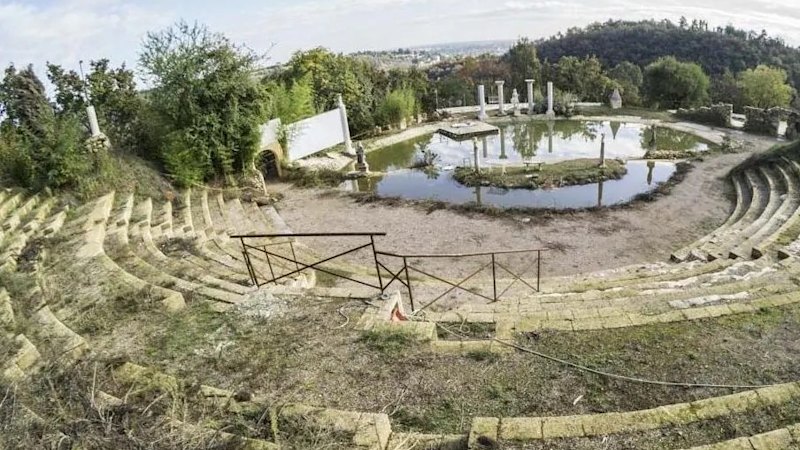
Tourists were charged $65 each to enter a site in the north-eastern Italian countryside that was falsely advertised as the world's first open-air amphitheater. The attraction featured ruined columns, stone steps, and statues, all presented as part of an ancient historical site tucked into a hill. However, the site was revealed to be a fabrication, misleading visitors who paid a significant fee for what was essentially a staged exhibit. The deception highlights a concerning trend of exploiting tourist interest in historical and cultural sites for financial gain through fraudulent means. This incident raises questions about the due diligence expected from tourists and the regulatory oversight needed to protect them from such scams. The promoters of this fake amphitheater capitalized on the allure of ancient history, creating a false sense of discovery for unsuspecting visitors. The financial aspect of the scam, with each tourist paying $65, indicates a calculated effort to profit from deception. This event serves as a cautionary tale about verifying the authenticity of attractions, especially those promising unique historical experiences.
This incident illustrates a market failure where information asymmetry allows for the exploitation of consumer trust. The promoters leveraged the universal appeal of ancient history and the perceived value of unique cultural experiences to generate revenue. From a systems perspective, the lack of robust verification mechanisms for tourist attractions creates a vulnerability for fraudulent actors. The future of tourism will likely necessitate greater reliance on verifiable digital credentials and community-driven reputation systems to mitigate such risks. This event underscores the importance of due diligence for both consumers and regulatory bodies in safeguarding against deceptive commercial practices that prey on cultural curiosity.
AI-generated to prompt reflection — not editorial opinion, not advice, not a statement of fact. How this works.