Fake App Driver Arrested with 14kg Cocaine Hidden in Fuel Tank in Minas Gerais
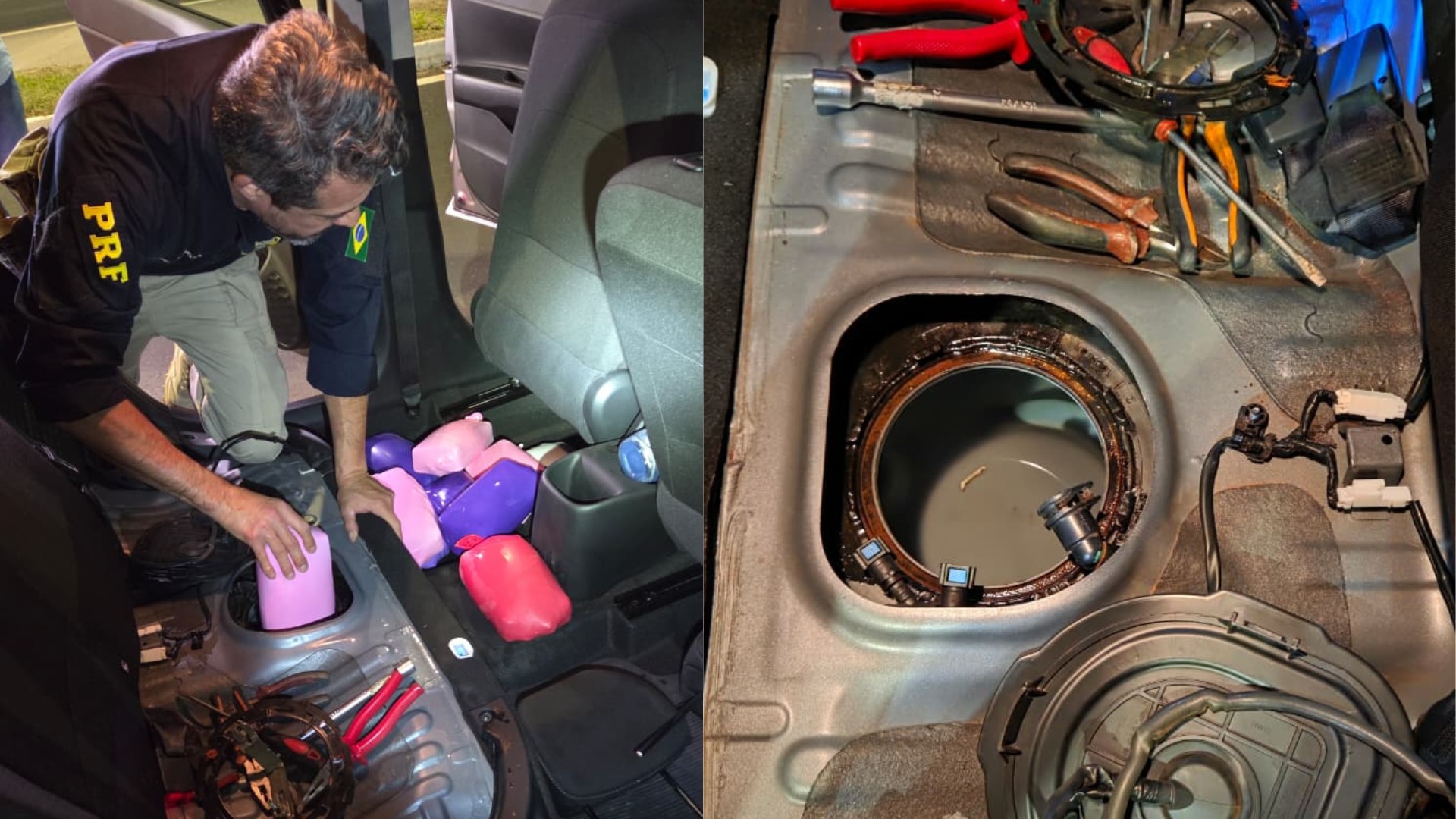
A 30-year-old man posing as an app driver was arrested on Thursday, May 9th, after 14 kilograms of cocaine base paste were discovered hidden inside the fuel tank of a rented vehicle. The incident occurred on the BR-262 highway in Campo Florido, located in the Triângulo Mineiro region of Minas Gerais, Brazil. Federal Highway Police (PRF) officers conducted a routine operation where they observed the vehicle and, due to the driver's nervous behavior, initiated a more thorough inspection. The driver initially claimed to be an app driver transporting passengers but provided inconsistent stories when questioned about his service and passengers. This inconsistency prompted the police to investigate the vehicle more closely at a PRF post. During the inspection, officers found 13 blocks of cocaine concealed within the fuel tank, located beneath the rear seat. Following the discovery, the man confessed to picking up the drugs in Campo Grande, Mato Grosso do Sul, and intended to transport them to Uberlândia, Minas Gerais, for a payment of R$10,000. The seized drugs, vehicle, and the suspect were subsequently handed over to the Civil Police in Uberaba for legal proceedings.
This event highlights the persistent challenge of drug trafficking, with individuals employing increasingly sophisticated methods to conceal contraband. The use of a rented vehicle and a fabricated identity as an app driver suggests an attempt to blend into everyday traffic and evade detection. The driver's confession and planned route from Mato Grosso do Sul to Minas Gerais indicate established trafficking networks operating across state lines. The PRF's diligent roadside inspection and the driver's inconsistent statements were crucial in uncovering the illicit operation. This case underscores the ongoing need for robust law enforcement strategies, including advanced vehicle inspection techniques and intelligence gathering, to disrupt these criminal enterprises and address the underlying demand for illicit substances.
AI-generated to prompt reflection — not editorial opinion, not advice, not a statement of fact. How this works.