Fake Football Jerseys Flood Online Market During World Cup
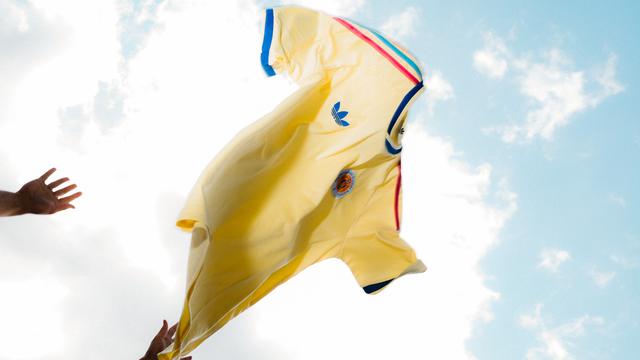
The business of counterfeit football jerseys experiences a significant surge online during the FIFA World Cup. This trend raises questions about the quality of these imitation garments and whether the extended waiting times associated with their purchase are justified. Consumers are increasingly encountering these fake products, often advertised with appealingly low prices or claims of high fidelity to the original designs. The article aims to investigate how well these counterfeit jerseys are manufactured and if the lengthy delivery periods are worth the potential savings. The proliferation of these items highlights a growing market for imitation sports merchandise, driven by global sporting events that capture widespread public attention and demand.
The surge in counterfeit sports merchandise during major international tournaments like the World Cup reflects a complex interplay of consumer demand for affordable fan apparel and the challenges of global intellectual property enforcement. While fans seek to express support for their teams, the availability of high-quality fakes, often sourced internationally, presents a significant challenge to legitimate sports brands and retailers. This dynamic highlights the need for enhanced supply chain transparency and robust anti-counterfeiting measures. Furthermore, the long wait times associated with these products suggest logistical complexities and potentially indicate a decentralized, informal production and distribution network. Addressing this issue requires a multi-faceted approach involving international cooperation, technological solutions for authentication, and consumer education on the risks and implications of purchasing counterfeit goods.
AI-generated to prompt reflection — not editorial opinion, not advice, not a statement of fact. How this works.