Fake Presidential Council in Nigeria Amassed Nearly $1 Million Budget
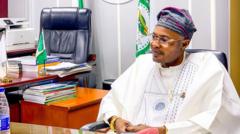
A purported presidential council in Nigeria has been found to have accumulated a budget of almost $1 million, despite the government asserting it was established using a forged letter of appointment. The Nigerian government has stated that the council's creation was based on fraudulent documentation, suggesting a significant deception occurred. However, some observers believe there are deeper underlying issues and complexities beyond a simple forgery. The revelation raises questions about oversight mechanisms and the potential for illicit financial activities within governmental or quasi-governmental structures. The substantial budget allocated to this apparently illegitimate body underscores the scale of the financial resources that were potentially misused. Further investigation is likely required to understand how such a council could gain access to significant funds and who was ultimately responsible. The situation highlights a concerning lapse in due diligence and security protocols within the Nigerian administrative system. The government's swift denial of the council's legitimacy points to an attempt to distance itself from the scandal, but the existence of the budget suggests a more intricate problem.
The emergence of a significant budget for a council disavowed by the government suggests potential systemic vulnerabilities in Nigeria's administrative and financial oversight processes. The discrepancy between the council's operational funding and its alleged illegitimate origin warrants scrutiny into the internal controls that allowed such a situation to develop. This event may reflect broader challenges in ensuring accountability and transparency in public resource allocation, particularly when dealing with potentially fraudulent appointments or entities. Examining the incentive structures that could enable such a council to accrue funds, despite its purported lack of official standing, is crucial for preventing future occurrences and strengthening governance frameworks in the digital age.
AI-generated to prompt reflection — not editorial opinion, not advice, not a statement of fact. How this works.