Fake SIM Card Operation: Ex-Telecom Employee Sought for Phone Line Fraud in Brazil
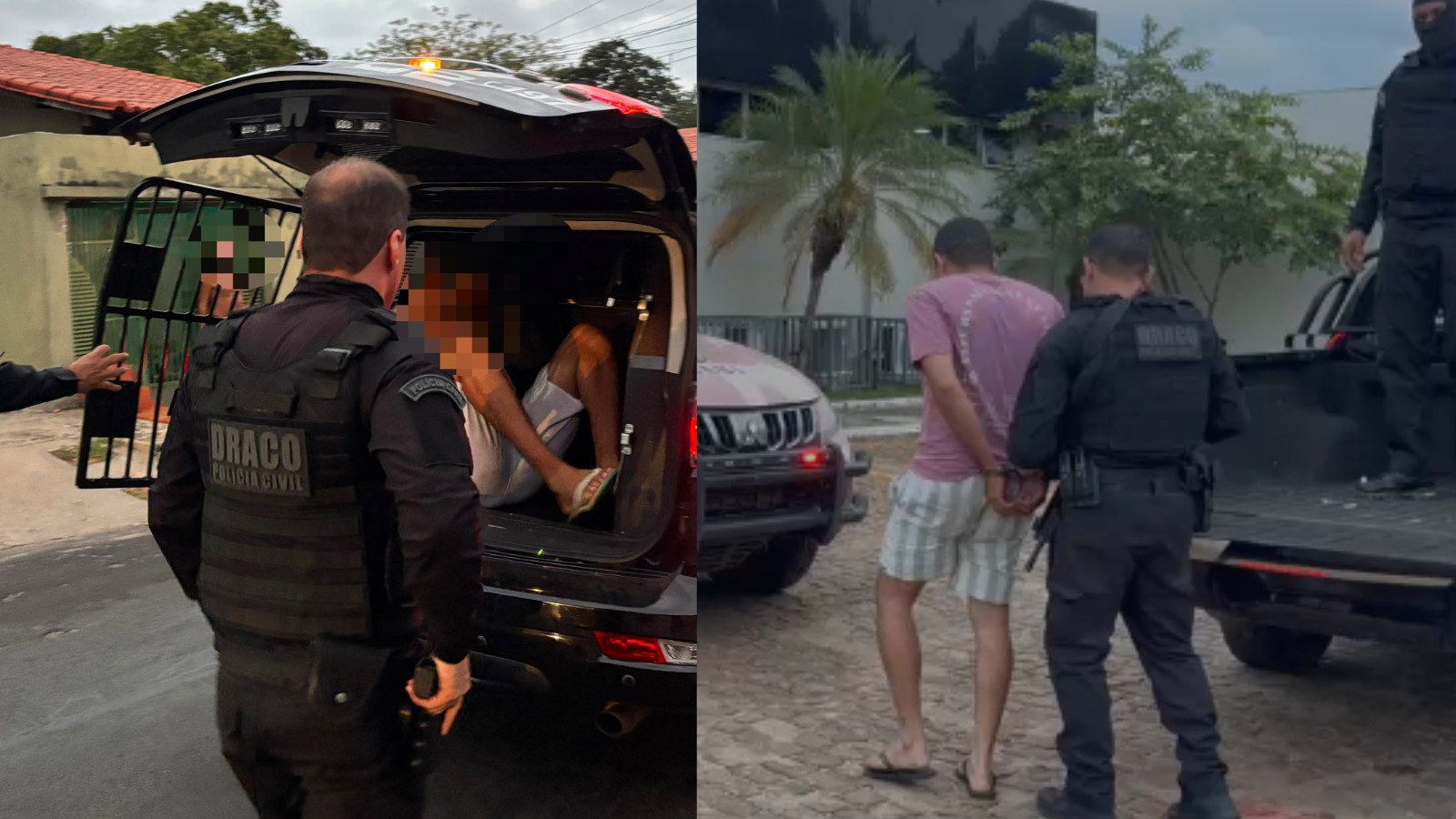
Brazilian authorities have launched "Operação Chip Falso" (Fake SIM Card Operation) in Teresina, targeting a group suspected of electronic fraud. A former telecom employee, Rosana Rodrigues da Silva, is a primary suspect and is currently a fugitive. Police delegate Humberto Mácola of the Cybercrime Investigation Department (DRCC) stated that Silva allegedly used manager credentials to illegally change the ownership of victims' phone lines. Investigations are ongoing to determine if she committed these frauds while still employed by the operator. The operation aims to dismantle a scheme that illegally takes over phone lines to access bank accounts, clone WhatsApp, and perpetrate scams across multiple states. Ten individuals have been arrested, and five others, including Silva, are still being sought. The fraud technique, known as SIM Swap, involves transferring a victim's phone number to a SIM card controlled by criminals. This allows them to intercept SMS verification codes, gaining access to victims' accounts and applications. The group is accused of accessing bank accounts, taking over WhatsApp profiles, making unauthorized purchases, and impersonating victims to scam relatives or pose as legal representatives. The police have identified over 50 victims in the states of Rio de Janeiro, São Paulo, and Santa Catarina, with the criminals causing significant financial and personal damage.
This operation highlights the critical vulnerability of telecommunication systems and the sophisticated methods employed in SIM swap fraud. The alleged involvement of an insider with access to managerial credentials underscores systemic risks within telecom companies, suggesting a need for enhanced internal controls and employee vetting. The perpetrators exploited the trust placed in legitimate employees and the inherent reliance on SMS for two-factor authentication, demonstrating how established infrastructure can be weaponized. Future security architectures may need to explore multi-factor authentication methods less susceptible to SIM swapping, such as hardware tokens or biometrics, and require more robust identity verification processes for SIM card transfers. This incident also points to the cross-jurisdictional nature of cybercrime, necessitating stronger inter-state and potentially international cooperation for effective enforcement and victim recovery.
AI-generated to prompt reflection — not editorial opinion, not advice, not a statement of fact. How this works.