Fake Taxi Driver Arrested in Rio for Passenger Scams Using Tampered Card Machine
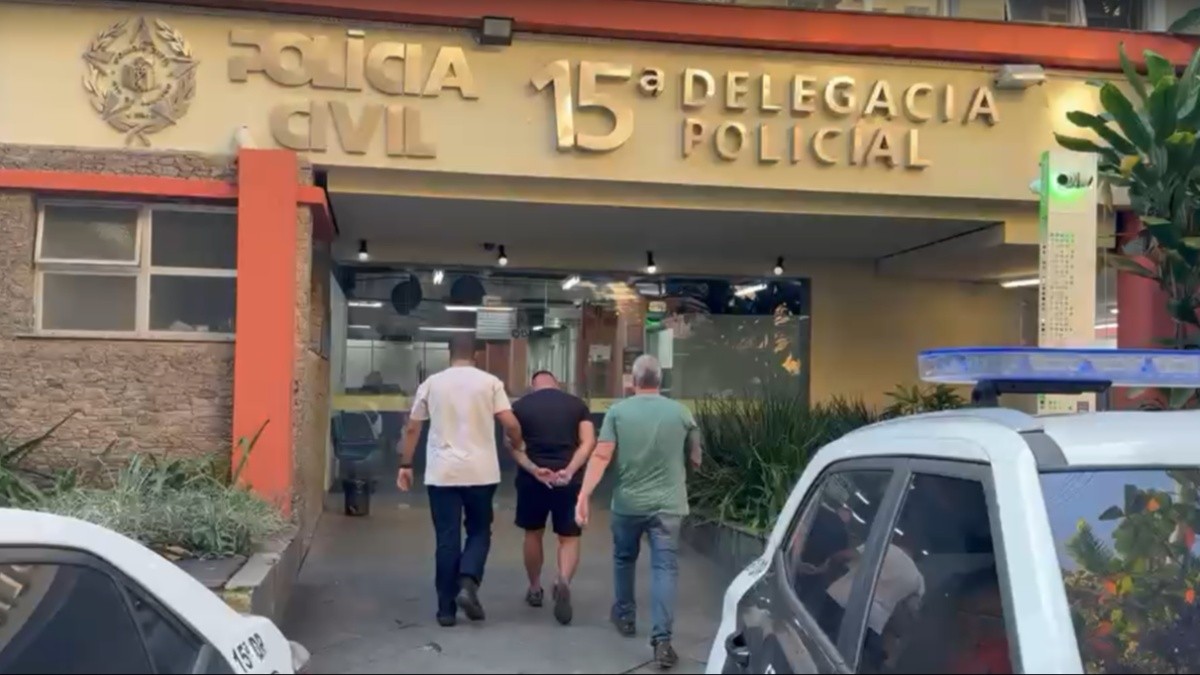
A man, identified as Raphael do Nascimento Abreu, has been arrested in Copacabana, Rio de Janeiro, for allegedly defrauding passengers while operating an unlicensed taxi. The Civil Police apprehended Abreu on Wednesday, July 29th, after an investigation based on victim reports. Authorities state that Abreu used a modified card reader to charge passengers higher amounts than displayed, resulting in significant financial losses for his victims, estimated to be thousands of reais. The vehicle used in the scheme, though appearing as a taxi, lacked authorization from the Municipal Secretariat of Transport (SMTR).
Civitas, an intelligence and monitoring center for the Rio de Janeiro City Hall, tracked the vehicle's movements after it generated 686 alerts since July 14th. Data indicated Copacabana, particularly Avenida Nossa Senhora de Copacabana, as the suspect's primary operational area, with most activity occurring in the afternoons. Real-time alerts led to Abreu's apprehension. During the arrest, police seized the tampered card machine, several bank cards, and mobile phones. Abreu confessed to the scams and admitted to one of the cases investigated by the 15th Police District (Gávea). He also revealed that the account linked to the card machine was registered under someone else's name.
According to police records, Abreu has 19 prior criminal entries for similar offenses. He has been transferred to the prison system and awaits further judicial proceedings. The investigation was supported by technical reports and electronic surveillance footage from Civitas, which helped reconstruct the vehicle's routes and corroborate victim accounts.
This incident highlights vulnerabilities within urban transportation regulation and payment processing systems. The perpetrator exploited the trust inherent in taxi services by operating without proper licensing and using a tampered payment device to systematically defraud passengers. The successful apprehension demonstrates the efficacy of integrated surveillance and intelligence systems like Civitas when applied to law enforcement. Looking ahead, the case underscores the need for enhanced oversight of taxi operations and more robust security measures for point-of-sale devices, particularly in high-traffic tourist areas. Future technological solutions might involve real-time, secure payment verification directly linked to authorized taxi services, mitigating opportunities for such fraudulent activities and protecting consumers in the evolving digital economy.
AI-generated to prompt reflection — not editorial opinion, not advice, not a statement of fact. How this works.