Falling Oil Prices to $70 per Barrel Ease Inflation in Greece and Eurozone
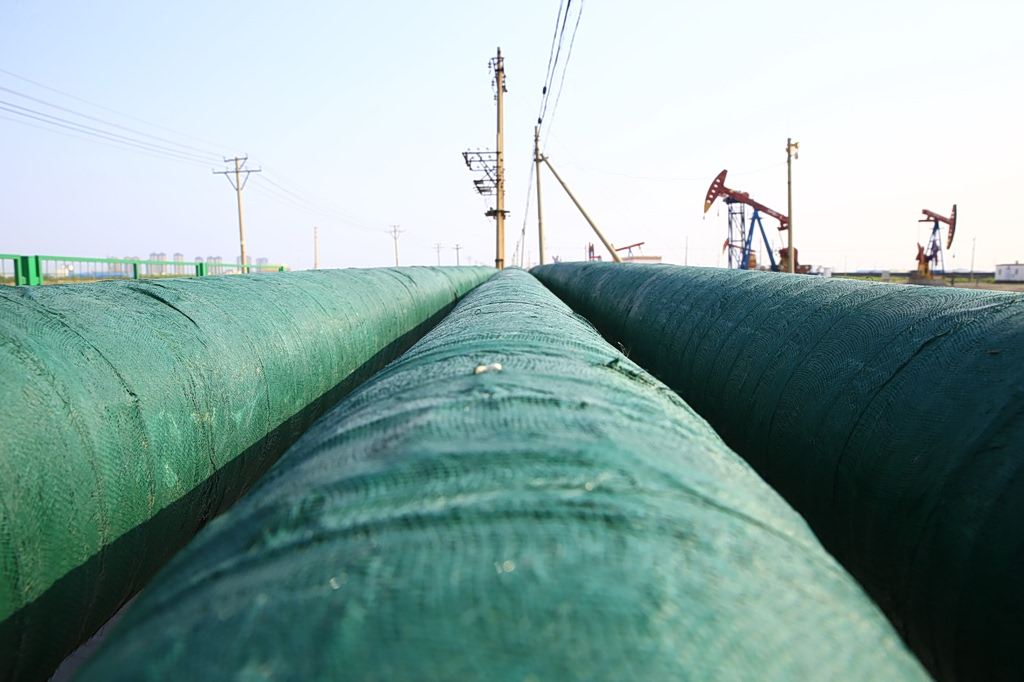
Inflationary pressures are showing signs of easing, particularly as international oil prices have fallen to approximately $70 per barrel. This decline in crude oil costs is contributing to a gradual reduction in inflation rates across the Eurozone, including Greece. However, recent increases in fuel prices have been observed following the removal of subsidies on diesel. Eurostat data indicates this trend of moderating inflation. The drop in oil prices is a significant factor in alleviating the upward pressure on consumer goods and services. This development offers some relief to households and businesses grappling with elevated living costs. While the overall inflation trend is downward, the specific impact of diesel subsidy removal on fuel costs warrants attention. The global oil market's volatility continues to influence domestic price levels. Further monitoring will be necessary to assess the sustained impact of these diverging price movements.
The recent decline in global oil prices to around $70 per barrel presents a significant deflationary force for the Eurozone, including Greece. This external market shift offers a potential reprieve from persistent inflation, easing the burden on consumers and businesses. However, the concurrent removal of diesel subsidies introduces a counteracting upward pressure on fuel costs, creating a complex dynamic. Policymakers face the challenge of balancing the benefits of lower global commodity prices against the domestic impact of subsidy adjustments. The interplay between international market forces and national fiscal policies will be crucial in determining the net effect on inflation and economic stability over the coming months. This situation highlights the sensitivity of inflation to both global supply-demand equilibria and localized regulatory interventions.
AI-generated to prompt reflection — not editorial opinion, not advice, not a statement of fact. How this works.