False News Spreads Online: Flooded Woman Climbing Tree Story Debunked
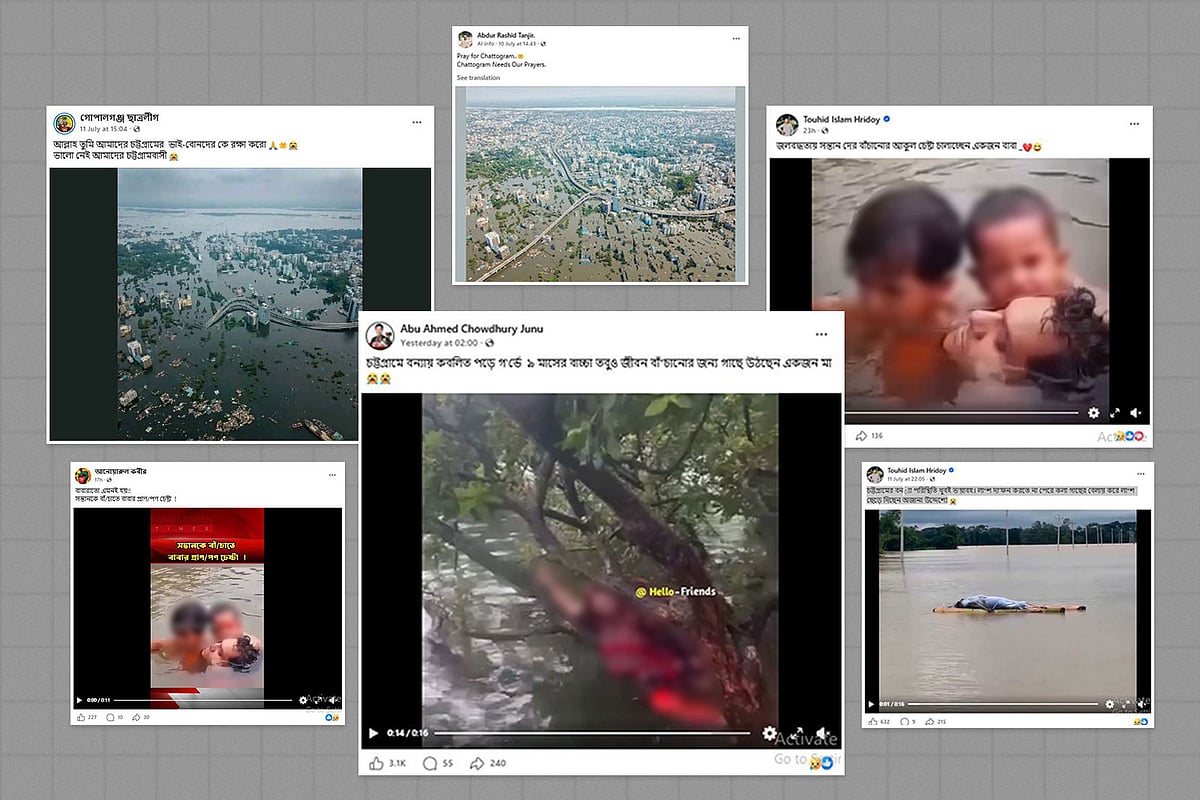
A viral story depicting a pregnant woman climbing a tree to escape floodwaters has been debunked as false. Investigations revealed that the video and accompanying images were not recent or from the location claimed. Instead, old footage, scenes from different places, or AI-generated images were used to create emotionally charged messages. This misinformation is contributing to widespread confusion among the public. Authorities are urging people to verify information before sharing, especially during times of crisis like floods. The spread of such fake news can have serious consequences, potentially diverting resources and attention from genuine emergencies. It highlights the growing challenge of combating disinformation in the digital age, where fabricated content can quickly gain traction. The use of AI-generated images is a particularly concerning development, making it harder to distinguish real from fake.
The proliferation of fabricated content, including AI-generated images and repurposed old videos, poses a significant challenge to public trust and effective crisis response. This incident underscores the need for robust digital literacy programs that equip individuals with critical thinking skills to discern misinformation. Furthermore, it highlights the responsibility of social media platforms to implement more effective content moderation strategies and verification processes. The manipulation of emotional narratives during crises can lead to misallocation of aid and public panic, demonstrating a systemic vulnerability that requires technological and educational countermeasures. Looking ahead, the increasing sophistication of AI in generating synthetic media necessitates proactive approaches to authentication and provenance tracking to safeguard information integrity.
AI-generated to prompt reflection — not editorial opinion, not advice, not a statement of fact. How this works.