Families Search for Decades for Relatives Lost in War
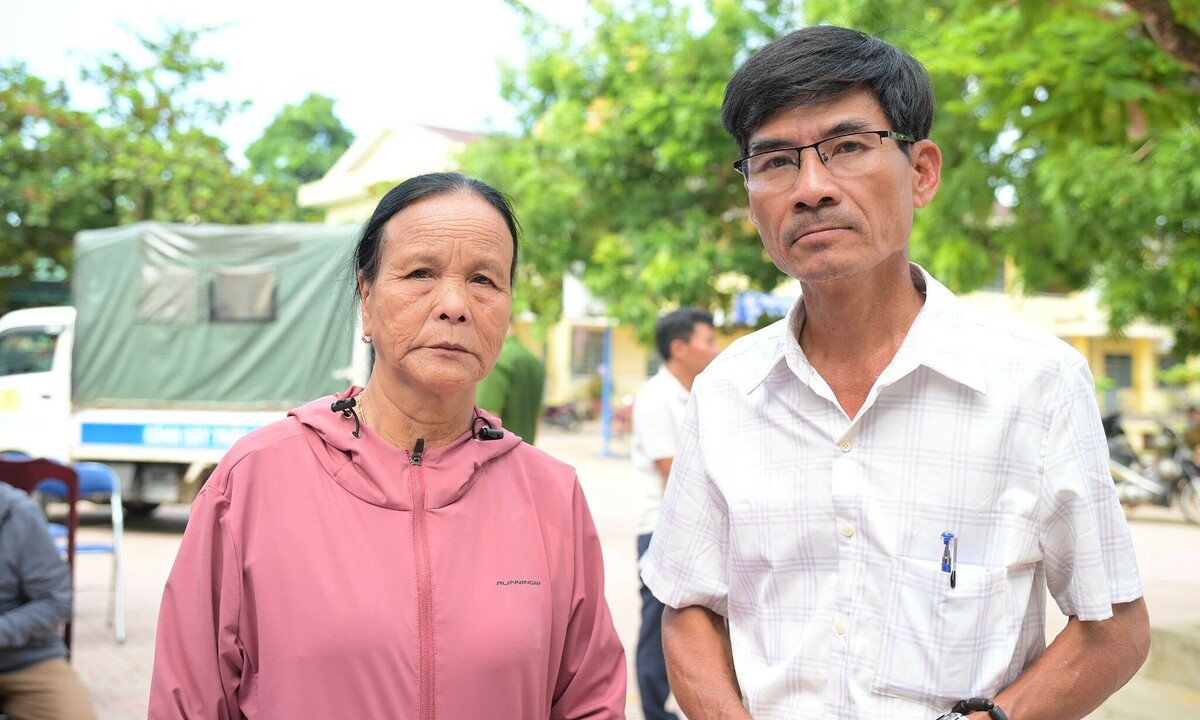
For decades, families in Vietnam have been searching for the remains of relatives who died during the war. Mr. Thanh, for instance, has been trying to locate the remains of his two elder brothers, who were killed in the Quảng Ngãi battlefield. Similarly, Ms. Hồng has been searching for her uncle, who perished in Bình Định. Despite their persistent efforts over many years, neither Mr. Thanh nor Ms. Hồng has yet found any conclusive results in their search for their lost loved ones. These ongoing searches highlight the enduring pain and unresolved grief experienced by many families affected by the war, years after the conflict officially ended. The lack of definitive information and the passage of time make these quests incredibly challenging. The families' dedication underscores a deep-seated desire for closure and a final resting place for their fallen kin. Their continued efforts represent a profound commitment to honoring their family members' sacrifices.
The enduring search for war casualties' remains reflects the profound and lasting societal impact of armed conflict, extending far beyond the cessation of hostilities. This persistent quest for closure and remembrance is a testament to familial bonds and the human need for tangible connection to lost loved ones. From a systemic perspective, the challenges faced by these families underscore the importance of robust national and international mechanisms for identifying and repatriating war dead. Future governance frameworks could explore leveraging advanced technologies and improved record-keeping to facilitate such searches, thereby offering solace and honoring the sacrifices of those who perished. The long-term societal implications of unresolved loss also highlight the critical role of memorialization and historical understanding in national healing processes.
AI-generated to prompt reflection — not editorial opinion, not advice, not a statement of fact. How this works.