Family Attributes Deadly Sunsari Violence to Delayed Official Response
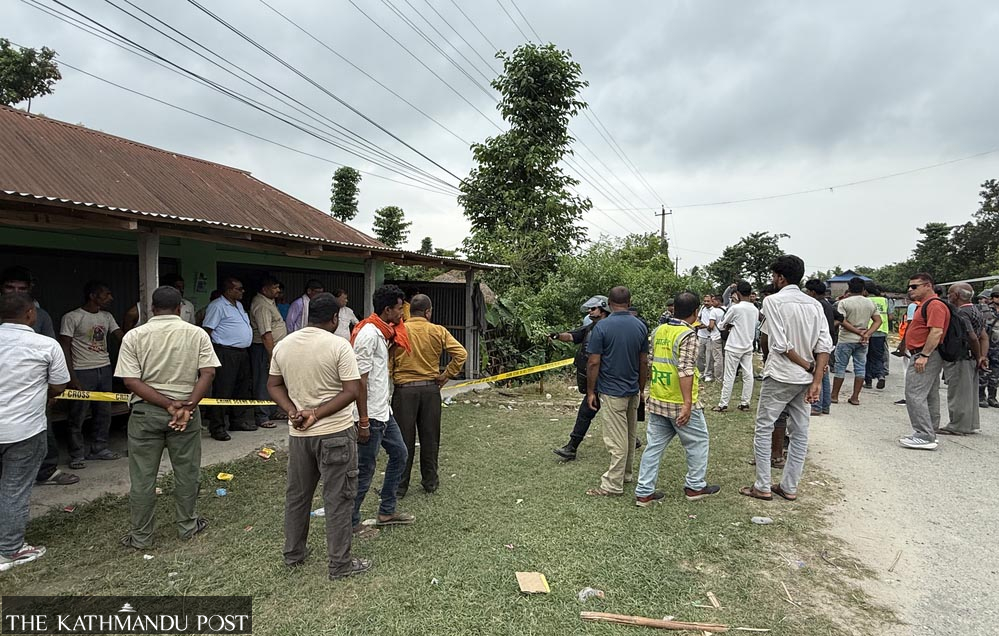
Relatives and eyewitnesses are blaming authorities for a delayed response that they claim allowed a local dispute in Sunsari to escalate into fatal violence. According to those present, tensions were not adequately contained before the situation devolved into deadly clashes. The family and witnesses suggest that earlier intervention could have prevented the tragic outcome. The specific nature of the local dispute that triggered the escalation has not been detailed, but the focus of the blame is on the perceived inaction or insufficient response from the authorities. This incident highlights concerns about the effectiveness of local law enforcement and conflict resolution mechanisms in the region. The community is seeking accountability for the delayed response, which they believe directly contributed to the loss of life. Further details regarding the timeline of events and the specific actions or inactions of the authorities are expected to emerge as investigations continue. The incident has cast a shadow over the community, raising questions about public safety and the role of officials in preventing such escalations.
The reported incident in Sunsari underscores a critical challenge in governance: the timely and effective de-escalation of local disputes before they turn violent. The narrative suggests a potential systemic failure in conflict management, where a lack of prompt intervention by authorities may have inadvertently amplified the severity of the situation. Examining the incentive structures for local governance and law enforcement could reveal whether resource allocation, training, or procedural protocols contributed to the delay. Looking ahead, the integration of advanced early warning systems and community-based mediation programs, potentially augmented by AI-driven predictive analytics, could offer a more proactive approach to public safety, preventing future tragedies by addressing the root causes of conflict before they reach a critical point.
AI-generated to prompt reflection — not editorial opinion, not advice, not a statement of fact. How this works.