Family Farm Quadruples Meat Production After 2009 Drought by Reinventing Operations
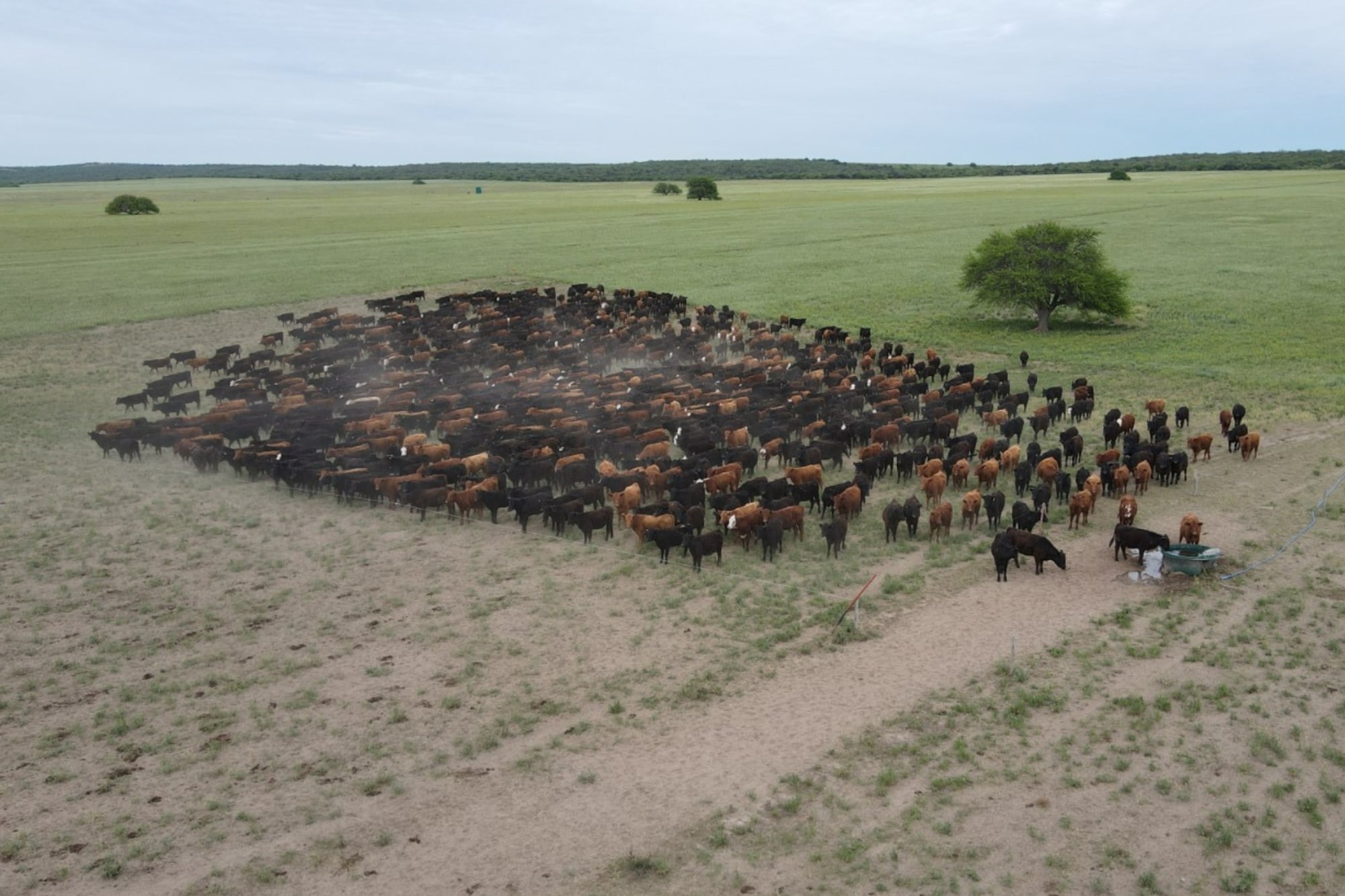
The Ostrovsky family, operating a 2500-hectare farm in Algarrobo, southern Buenos Aires province, has dramatically increased its meat production after facing significant losses during the major drought of 2009. They completely redesigned their water management, grazing practices, and personnel management strategies. This transformation led to a substantial rise in output, with the farm's annual meat production quadrupling from a previous range of 160,000 to 200,000 kilograms to an impressive 872,000 kilograms. The family's ability to adapt and innovate in the face of severe environmental challenges highlights their resilience and strategic approach to agricultural management. Their success serves as a case study in how proactive changes in operational methods can lead to significant gains, even after experiencing devastating setbacks.
The Ostrovsky family's experience demonstrates how severe environmental shocks, such as the 2009 drought, can act as catalysts for profound operational innovation in agriculture. By fundamentally rethinking water management, grazing, and labor, they not only recovered from losses but achieved a fourfold increase in productivity. This suggests that resilient agricultural systems require adaptive governance structures capable of responding to climate volatility. The long-term viability of such operations will likely depend on continued investment in sustainable practices and technologies that mitigate the impacts of extreme weather events, ensuring food security in an increasingly unpredictable climate future.
AI-generated to prompt reflection — not editorial opinion, not advice, not a statement of fact. How this works.