Family of slain legal advisor demands justice one year after death in Acre
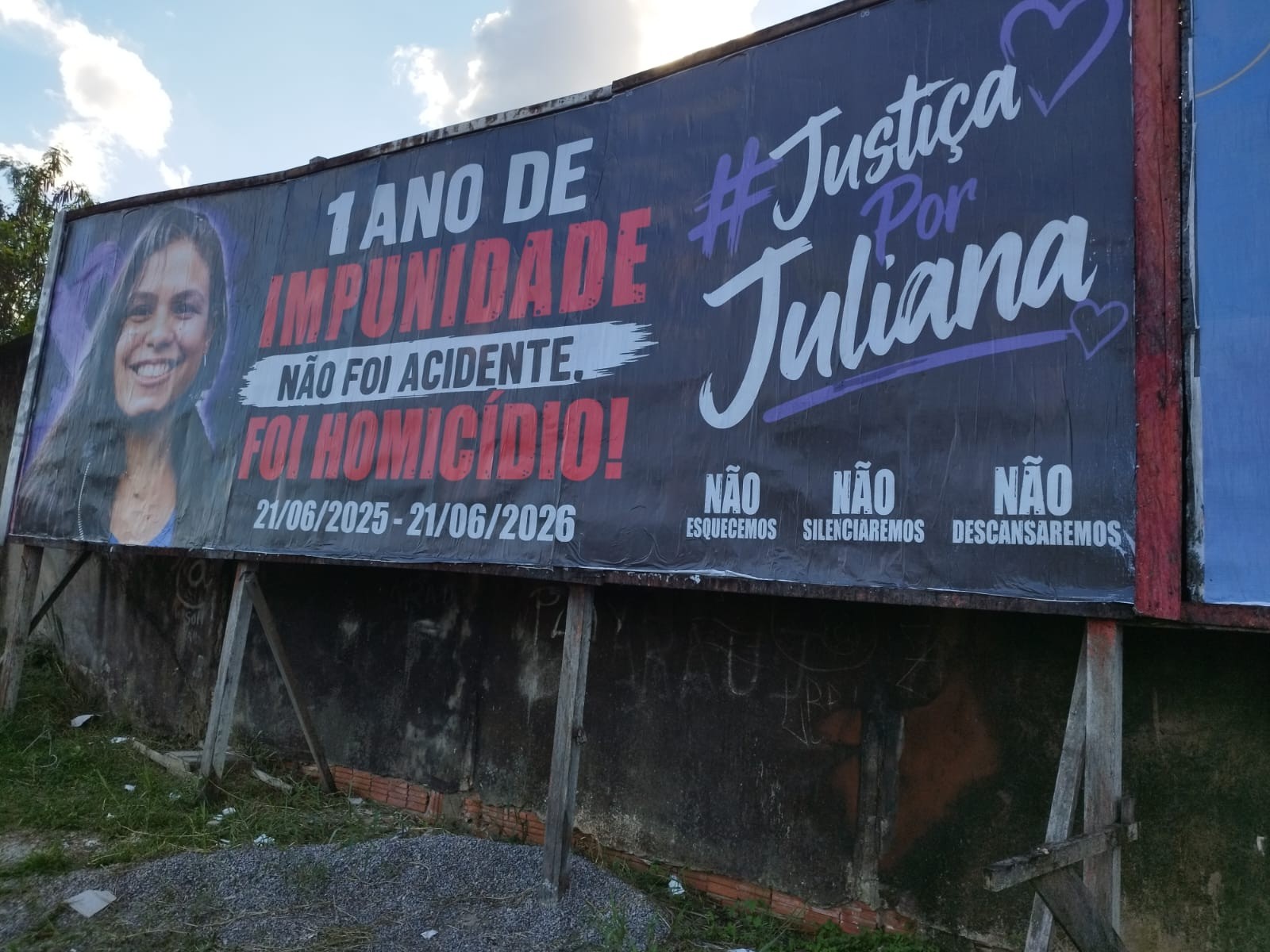
A year after the death of 36-year-old legal advisor Juliana Chaar Marçal, her family is intensifying their call for justice. They have erected a billboard in Rio Branco, Acre, demanding that the accused be brought to trial. Juliana was fatally struck by a pickup truck on June 21, 2025, following an incident that reportedly began with public gunfire from her friend, lawyer Keldheky Maia. Maia was arrested but granted provisional release. Juliana died hours later, and the alleged driver, Diego Luiz Gois Passos, 27, had an arrest warrant issued on June 23. Both individuals currently face charges related to her death while on provisional release. The family's lawyer, Vandré Prado, stated the billboard aims to preserve Juliana's memory and push the legal process forward, as the lack of a trial after a year exacerbates their sense of injustice. They expressed confidence in the Civil Police and Judiciary but highlighted that the prolonged legal process extends their suffering. The family hopes to avoid Juliana becoming another victim whose case goes unresolved. The legal assistant to the prosecution, Carlos Venicius Ferreira Ribeiro Júnior, confirmed that an instruction and trial hearing has occurred, with the case now in the 2nd Jury Court. The family's request for the prosecution's involvement is pending the Public Ministry's response. Both defendants remain on provisional release, a decision the prosecution's legal team disputes, aiming to ensure they face a jury trial. The prosecution intends to seek electronic monitoring for the accused, emphasizing their commitment to utilizing all legal avenues to hold them accountable for Juliana's death. The incident began with a dispute inside a bar, leading to Maia allegedly firing a weapon, after which Passos reportedly used a truck to strike Juliana and another individual.
This case highlights the profound emotional and societal impact of protracted legal proceedings, particularly when they involve violent deaths. The family's public display underscores a deep-seated concern regarding the pace of justice and the potential for cases to languish, leaving victims' families in prolonged anguish. From a systemic perspective, the provisional release of the accused, while adhering to legal frameworks, can create a perception of insufficient accountability, especially in the absence of a swift trial. Future legal reforms might consider mechanisms to expedite trials for serious offenses without compromising due process, thereby balancing the rights of the accused with the imperative for timely justice for victims and their families. The situation also prompts reflection on the societal implications of violence and the need for robust systems that ensure both public safety and efficient judicial resolution.
AI-generated to prompt reflection — not editorial opinion, not advice, not a statement of fact. How this works.