Family of Three Rescued from Slave-Like Conditions in Mirabela, Brazil
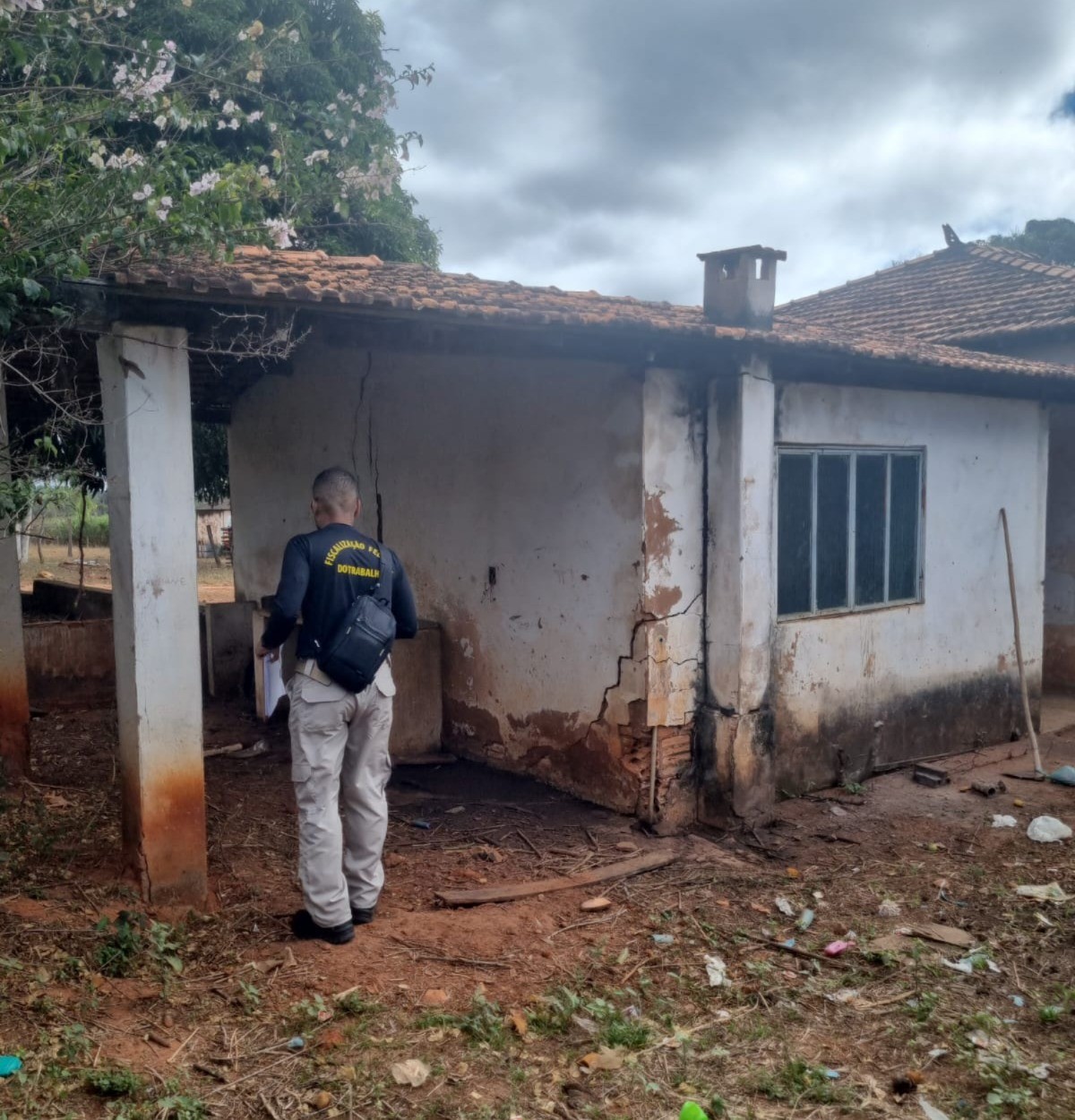
Labor inspectors from Brazil's Ministry of Labor and Employment (MTE), with support from the Military Police, rescued a man, his wife, and their five-year-old daughter from conditions analogous to slavery in Mirabela. The family had been lured to the location with promises of housing and a minimum wage, but instead found themselves living in degrading circumstances in the Muquém community. The man worked daily caring for cattle, preparing silage, and milking cows. During the inspection, it was discovered that he had never received medical exams, lacked personal protective equipment, and had not undergone any training. He had lived for 14 years in a shed lacking water and a bathroom, receiving only R$300 (approximately $60 USD) per month. Furthermore, he was unregistered, meaning his employment was informal, with no contributions made to the FGTS (severance fund) or social security. The family's dwelling had no potable water; they were forced to use water from a tank infested with insects, slime, and organic waste. The young daughter slept on a mattress on the floor, exposed to risks from scorpions and snakes. The housing itself was structurally unsound, with cracked walls and unsealed windows, and was also used to store agricultural inputs like seeds, feed, and vaccines. The MTE facilitated the family's relocation to adequate housing in their region of origin and involved social assistance agencies. The employer, whose identity was not disclosed, has been notified to pay all outstanding labor dues within 10 days.
This incident highlights persistent labor exploitation in rural areas, where vulnerable individuals are deceived with false promises and subjected to inhumane living and working conditions. The systemic failure to ensure basic labor rights, including registration, fair wages, and safe environments, points to significant gaps in regulatory oversight and enforcement. The reliance on informal labor and the lack of basic amenities like potable water and sanitation suggest a broader issue of economic precarity and insufficient social safety nets. Moving forward, strengthening inspection mechanisms, increasing penalties for employers, and providing accessible legal and social support for exploited workers are crucial. Furthermore, addressing the root causes of vulnerability, such as lack of education and economic opportunities, is essential to prevent future occurrences of modern slavery.
AI-generated to prompt reflection — not editorial opinion, not advice, not a statement of fact. How this works.