Family Reports Body Swap After Elderly Woman's Death at Bahia Hospital
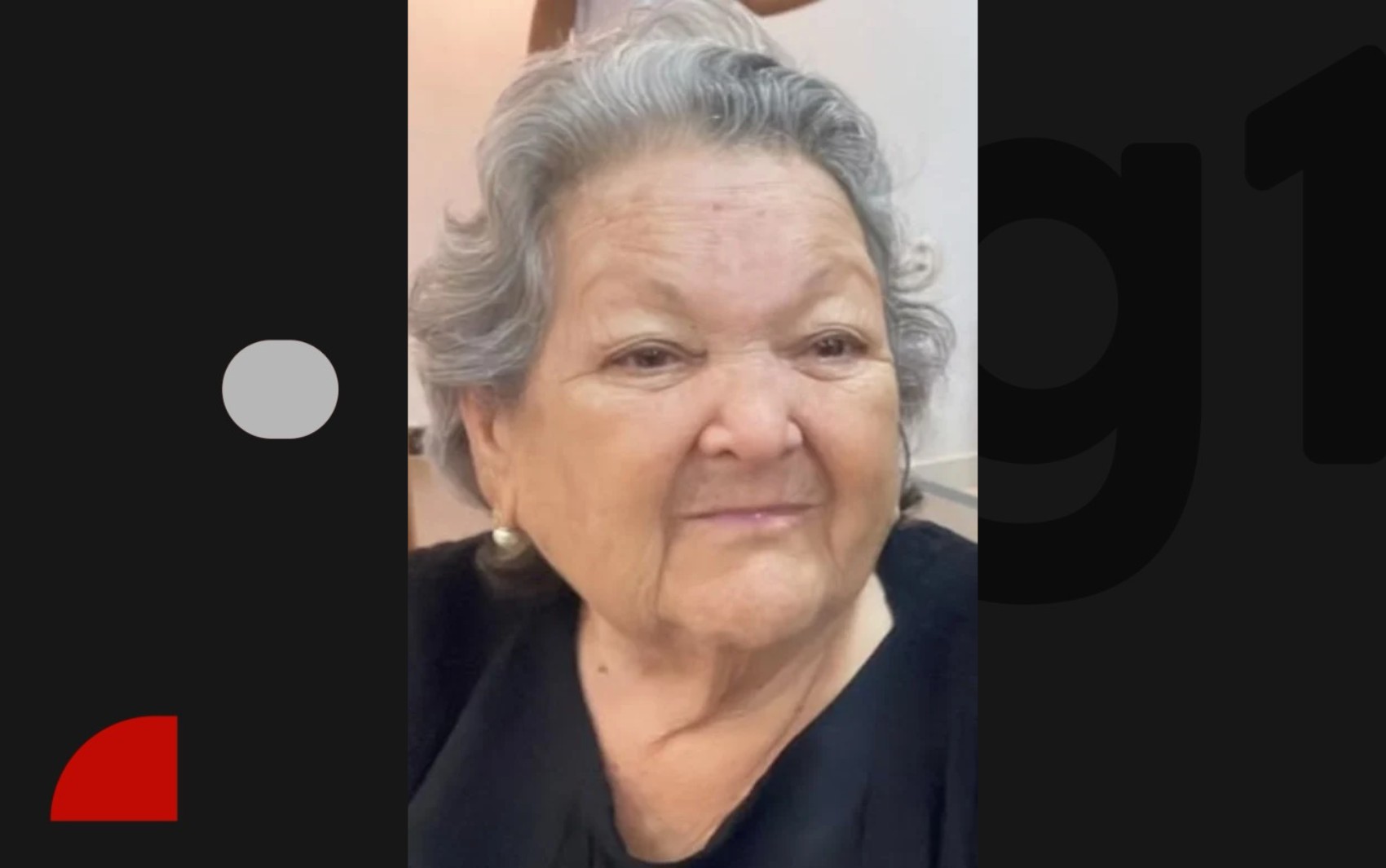
The family of Dália Ventim Costa, a 79-year-old woman, has reported a body swap incident following her death at the Hospital Geral Clériston Andrade (HGCA) in Feira de Santana, Bahia. According to her children, Mrs. Costa suffered a heart attack, was admitted to a local clinic on June 26, and transferred to HGCA three days later. She passed away around 11:30 PM on Sunday, July 12. When the family went to the hospital to claim the body, they were initially told it could only be released at 5 AM. Upon their return, they were informed the body was no longer at the hospital and had been sent to another city. The family suspects a mix-up occurred during the body release process, potentially involving another patient whose family was from Aracaju, Sergipe. The hospital later contacted the family to inform them that the body was being located and would be returned to Feira de Santana. Mrs. Costa's body was brought back to HGCA shortly after noon on Monday, July 13, and her burial took place later that afternoon at the São Jorge Cemetery. She is survived by her five children. The HGCA issued a statement expressing regret and solidarity with the affected families. The hospital confirmed the body was recovered and returned for the family's funeral arrangements. A formal inquiry has been launched to investigate the circumstances of the swap, identify procedural failures in body release, and implement appropriate administrative measures. Hospital officials stated that they have been providing support to the families since learning of the incident.
This incident highlights critical vulnerabilities in hospital mortuary and body release protocols, underscoring the need for robust identification and chain-of-custody procedures. The reported delay in body release and subsequent misdirection suggest systemic issues rather than isolated errors. Hospitals must implement multi-factor authentication for body identification, involving family members at key verification points, to prevent such distressing mix-ups. The investigation should focus on identifying specific points of failure in the administrative and logistical processes, with a view to establishing best practices that can be adopted nationwide. Over the next decade, advancements in digital identification and biometric verification could offer more secure solutions, but immediate improvements in current human-centric processes are paramount to restoring public trust and ensuring dignity for the deceased and their families.
AI-generated to prompt reflection — not editorial opinion, not advice, not a statement of fact. How this works.