Family Rescued From Slave-Like Conditions in Ceará Faced Extreme Food Insecurity
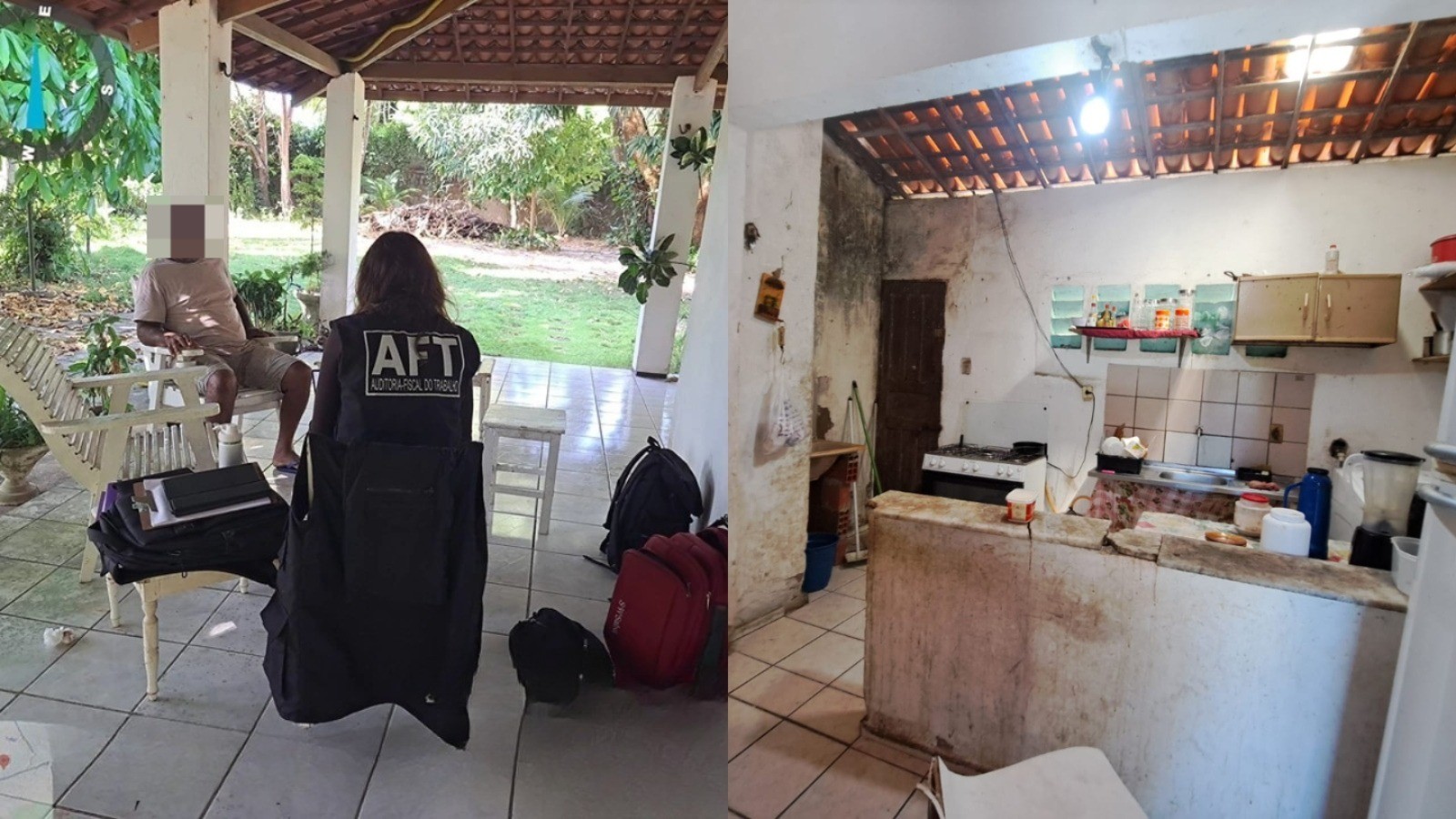
A property caretaker and his family have been rescued from conditions analogous to slavery in Aquiraz, Ceará, Brazil, where they experienced extreme food insecurity and lived with minimal provisions. The rescue occurred just before another operation freed a domestic worker who had not been paid for 55 years in a neighboring municipality. The caretaker had worked on the rural property for approximately 18 years without formal employment registration or basic labor rights, living there with his wife and children. The family relied heavily on neighbors and relatives for food and basic necessities like cooking gas, indicating a severe economic vulnerability. They had moved to the property after the caretaker was promised formal employment, a minimum wage, a food basket, and better living conditions, leading him to sell his previous home. However, these promises were not fulfilled; his wages were paid irregularly and diminished over time, especially during the COVID-19 pandemic. The family resided in a structurally unsound dwelling with improvisations for repairs and lacked basic furnishings, relying on donations and discarded materials. The caretaker performed extensive property maintenance without proper training or protective equipment and was restricted from leaving the property without authorization. Public auditors estimated the caretaker is owed approximately R$180,000 in unpaid wages, including vacation pay, 13th salaries, and overtime. The employer signed a Conduct Adjustment Agreement with the Public Ministry of Labor, acknowledging irregularities and agreeing to pay R$50,000 in two installments, while only recognizing the employment relationship from July 2020 to June 2026. This agreement does not preclude future legal action to recover the full amount owed for the entire period of employment.
This case highlights systemic failures in labor law enforcement and worker protection, particularly for those in isolated rural settings. The prolonged period of exploitation, dating back to 2008, suggests a significant gap between legal protections and their practical application. The employer's agreement to a settlement that covers only a fraction of the estimated owed wages and a limited period indicates a common strategy to minimize financial liability while acknowledging some wrongdoing. The situation underscores the critical need for more proactive oversight and robust support systems for vulnerable workers, especially in regions where informal labor is prevalent. Future interventions should focus on strengthening auditing processes, ensuring immediate and comprehensive relief for victims, and implementing mechanisms to prevent such exploitative arrangements from persisting over decades. The incident also points to the importance of addressing the root causes of extreme food insecurity and economic vulnerability that can trap individuals in cycles of debt and dependency.
AI-generated to prompt reflection — not editorial opinion, not advice, not a statement of fact. How this works.