Family's Decades-Long Fight for Justice Redefines Victims' Rights
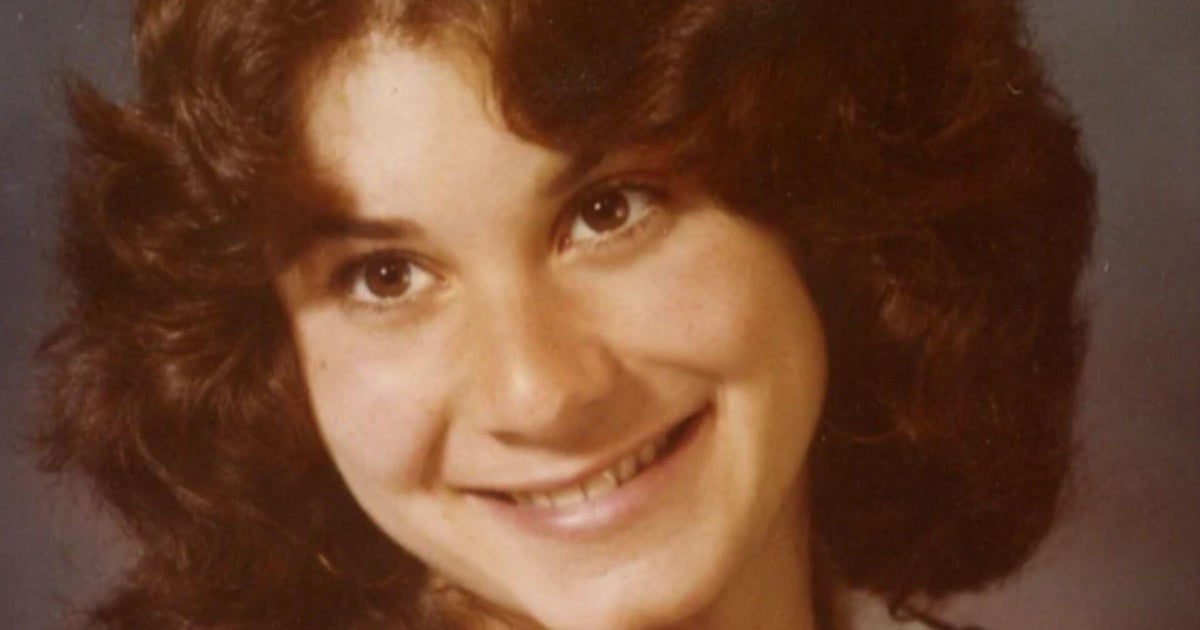
The 1979 murder of 18-year-old Catina Salarno, a college freshman in California, irrevocably altered her family's lives. This tragedy ignited a protracted, decades-long legal struggle aimed at ensuring her killer remained incarcerated. The family's persistent efforts have significantly influenced the landscape of victims' rights within the justice system. Their unwavering commitment has highlighted the enduring impact of violent crime on families and underscored the need for robust legal protections for victims. This case serves as a powerful example of how personal tragedy can drive systemic change, pushing for greater accountability and justice for victims and their loved ones. The family's journey demonstrates the profound and lasting consequences of crime, while also showcasing the potential for advocacy to shape legal and societal responses.
This case exemplifies the profound impact of individual advocacy on the evolution of legal frameworks concerning victims' rights. The family's sustained efforts over decades highlight systemic challenges in ensuring long-term justice and victim support. Future considerations may involve exploring mechanisms for more immediate and comprehensive victim compensation and psychological support, alongside robust offender accountability. The narrative also prompts reflection on the balance between rehabilitation, public safety, and the enduring rights of victims and their families within the justice system, particularly as societal expectations and technological capabilities evolve.
AI-generated to prompt reflection — not editorial opinion, not advice, not a statement of fact. How this works.